


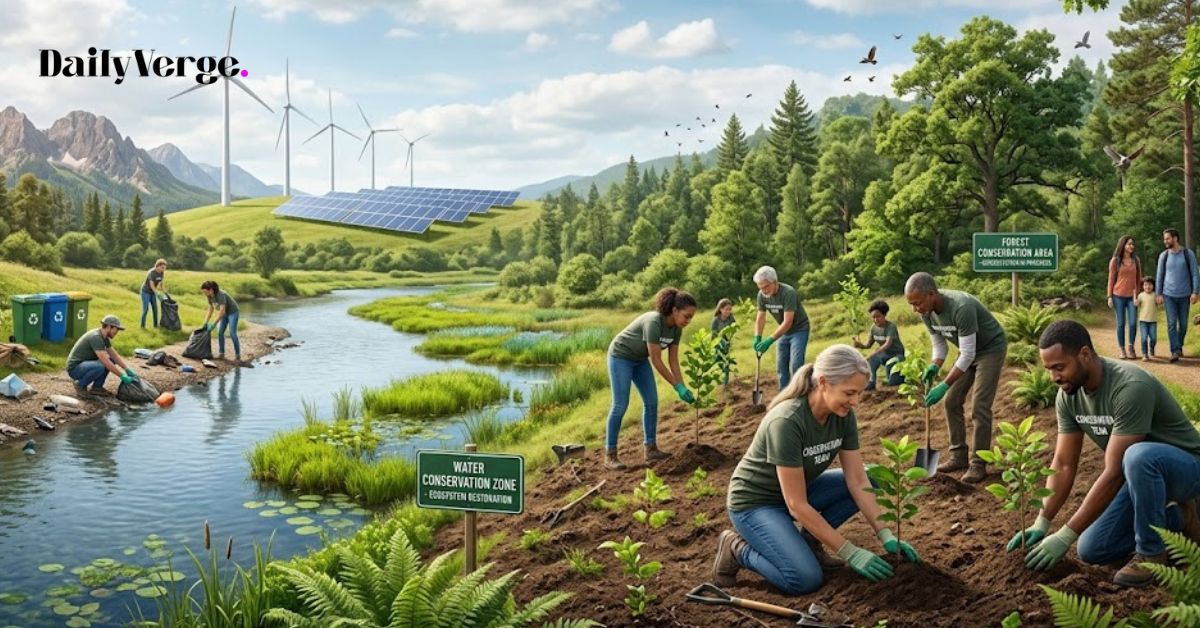
Environmental conservation is becoming one of the most important global discussions in modern times. As cities expand, industries grow, and populations increase, natural resources are being used at a faster rate than they can be restored. Understanding what is environmental conservation helps individuals, communities, and governments take responsible actions to protect the planet. It is not just a scientific concept but a practical approach to maintaining balance between human needs and nature’s limits.
At its core, what is environmental conservation refers to the practice of protecting natural resources such as air, water, soil, forests, and wildlife. It also includes restoring damaged ecosystems and promoting sustainable living habits that reduce environmental harm. Without proper conservation efforts, future generations may face severe shortages of clean water, fertile land, and biodiversity.
Understanding What Is Environmental Conservation
To clearly understand what is environmental conservation, it is important to look at how nature functions as a system. Every element in the environment is interconnected. Forests produce oxygen, oceans regulate climate, and soil supports agriculture. When one part of this system is damaged, the effects spread widely.
Environmental conservation focuses on maintaining this balance. It encourages responsible use of natural resources so they remain available for future generations. Instead of overusing or destroying resources, conservation promotes sustainability and renewal.
Importance of Environmental Conservation
The importance of what is environmental conservation becomes clear when we observe the current environmental challenges worldwide. Climate change, deforestation, air pollution, and water scarcity are all direct results of human activity.
One of the biggest benefits of environmental conservation is protecting biodiversity. Millions of species depend on healthy ecosystems to survive. When habitats are destroyed, these species become endangered or extinct, disrupting natural balance.
Another major benefit is climate regulation. Forests and oceans play a crucial role in absorbing carbon dioxide from the atmosphere. When they are damaged, greenhouse gases increase, leading to global warming.
Environmental conservation also ensures access to clean water and air. Pollution from industries and vehicles has made air quality worse in many regions. Proper conservation practices help reduce pollution and improve overall public health.
Key Principles Behind Environmental Conservation
The concept of what is environmental conservation is based on several important principles that guide sustainable living.
One key principle is sustainability, which means using resources in a way that does not harm future availability. Another principle is preservation, which focuses on protecting natural areas in their original state.
Restoration is also an important principle. It involves repairing damaged ecosystems, such as replanting forests or cleaning polluted rivers. These principles work together to create a balanced environment where nature and human life can coexist.
Major Areas of Environmental Conservation
Environmental conservation covers several important areas that contribute to ecological stability.
Forest conservation is one of the most critical areas. Forests act as the lungs of the Earth by producing oxygen and absorbing carbon dioxide. Protecting forests helps reduce climate change and maintain biodiversity.
Water conservation is another essential area. Freshwater is limited, and pollution or waste can lead to shortages. Efficient water use, recycling, and protection of water bodies are key strategies.
Soil conservation ensures that land remains fertile and productive. Without healthy soil, agriculture cannot sustain growing populations. Practices like crop rotation and reducing chemical use help protect soil quality.
Wildlife conservation focuses on protecting animals and their natural habitats. Human expansion has reduced living spaces for many species, making conservation efforts vital.
Methods Used in Environmental Conservation
Different strategies are used to support what is environmental conservation in practical ways.
One important method is recycling and waste reduction. By reusing materials, we reduce landfill waste and conserve natural resources.
Another method is using renewable energy sources like solar and wind power. These alternatives reduce dependence on fossil fuels, which are major contributors to pollution.
Afforestation and reforestation are also widely used. Planting trees helps restore ecosystems, improve air quality, and support wildlife habitats.
Governments also play a major role by creating environmental laws and protected areas such as national parks and wildlife reserves.
Human Responsibility in Environmental Conservation
Human activity is the primary cause of environmental change, which means individuals also have the power to make a difference. Understanding what is environmental conservation is not enough; it must be followed by action.
Simple lifestyle changes such as reducing plastic use, conserving electricity, and supporting eco-friendly products can have a significant impact. Education and awareness also play a key role in encouraging responsible behavior.
Communities that work together on cleanliness drives, tree plantation campaigns, and awareness programs contribute greatly to environmental protection.
Challenges Facing Environmental Conservation
Despite growing awareness, environmental conservation faces several challenges. Rapid industrialization continues to increase pollution levels. Deforestation for agriculture and construction is also a major concern.
Another challenge is lack of awareness in some regions. People may not fully understand the long-term effects of environmental damage. Economic pressures also make it difficult for some communities to prioritize conservation.
Climate change remains the biggest global challenge, affecting weather patterns, agriculture, and sea levels. Addressing these issues requires global cooperation and strong policy enforcement.
Future of Environmental Conservation
The future of what is environmental conservation depends on how quickly societies adapt to sustainable practices. Many countries are now investing in green technologies and renewable energy.
International cooperation is also increasing through environmental agreements and climate action plans. These efforts aim to reduce carbon emissions and protect ecosystems worldwide.
Technology is expected to play a major role in monitoring pollution, managing resources, and improving conservation strategies.
Conclusion
Understanding what is environmental conservation is essential in today’s world where environmental challenges are increasing rapidly. It is a shared responsibility that involves individuals, communities, and governments working together. By adopting sustainable practices and protecting natural resources, it is possible to create a healthier and more balanced planet for future generations.
FAQs
What is environmental conservation in simple words
It means protecting and managing natural resources like water, air, forests, and wildlife to keep the environment healthy for the future.
Why is environmental conservation important
It is important because it helps protect ecosystems, reduces pollution, and ensures natural resources remain available for future generations.
What are examples of environmental conservation activities
Examples include tree planting, recycling, saving water, using renewable energy, and protecting wildlife habitats.
How can individuals support environmental conservation
People can help by reducing waste, conserving electricity and water, avoiding plastic use, and supporting eco-friendly products.
What is the main goal of environmental conservation
The main goal is to maintain ecological balance by using natural resources responsibly and preventing environmental damage.read more.
