


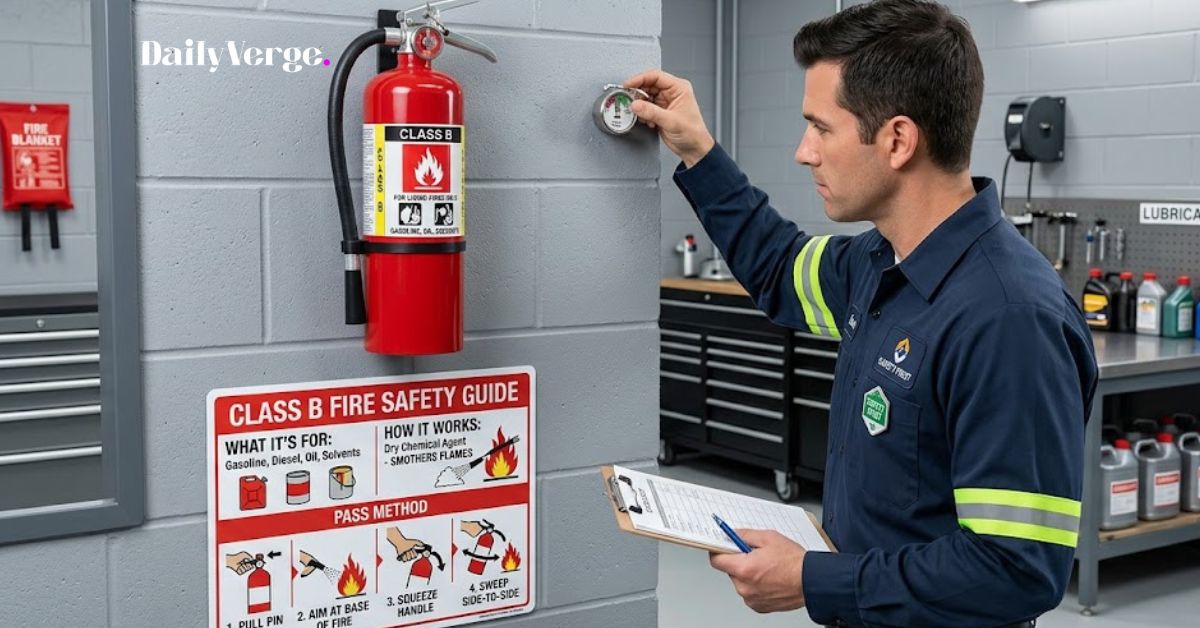
Fire safety is an important part of every home, workplace, warehouse, and industrial facility. While many people know that fire extinguishers can help control small fires, not everyone understands that different types of extinguishers are designed for different fire hazards. Choosing the wrong extinguisher can make a dangerous situation even worse. This is why understanding the purpose of a class b fire extinguisher is essential.
A class b fire extinguisher is specifically designed to combat fires involving flammable and combustible liquids. These fires can spread quickly and create serious risks if they are not handled correctly. Whether you work around fuels, paints, solvents, or oils, knowing how this type of extinguisher works can help protect lives and property.
What Is a Class B Fire Extinguisher?
A class b fire extinguisher is a fire suppression device designed to extinguish fires caused by flammable liquids. These liquids can ignite easily and burn rapidly, making them more challenging to control than ordinary combustible materials such as wood or paper.
Common examples of materials involved in Class B fires include:
- Gasoline
- Diesel fuel
- Kerosene
- Paint thinners
- Solvents
- Alcohol-based liquids
- Oils and lubricants
Unlike ordinary fires, liquid fires can spread across surfaces and create larger fire zones in a short amount of time. A class b fire extinguisher is formulated to interrupt the combustion process and prevent the fire from growing.
Understanding Class B Fires
Before learning how a class b fire extinguisher works, it is important to understand the nature of Class B fires. These fires occur when flammable liquids or gases ignite. Since liquids can flow and spread, the fire may move beyond the original source and create additional hazards.
For example, a small gasoline spill can quickly become a larger fire if the burning fuel spreads across the floor. This is why fast action and the correct extinguisher are crucial.
Many workplaces that store fuel, chemicals, or solvents are required to keep appropriate extinguishers nearby to address these risks.
How a Class B Fire Extinguisher Works
The primary function of a class b fire extinguisher is to remove one or more elements of the fire triangle: heat, fuel, and oxygen.
Different extinguishers achieve this goal in different ways:
Foam Extinguishers
Foam extinguishers create a protective blanket over the burning liquid. This blanket separates the fuel from oxygen and helps prevent vapors from igniting again.
Carbon Dioxide (CO₂) Extinguishers
CO₂ extinguishers release carbon dioxide gas that displaces oxygen around the fire. These extinguishers leave no residue and are commonly used around sensitive electrical equipment.
Dry Chemical Extinguishers
Dry chemical extinguishers interrupt the chemical reaction occurring within the flames. They are widely used because they act quickly and can handle multiple fire classes.
Each type of class b fire extinguisher has unique advantages depending on the environment and fire hazard involved.
Common Locations Where These Extinguishers Are Used
Many facilities rely on a class b fire extinguisher because flammable liquids are present in daily operations.
Common locations include:
Automotive Repair Shops
Garages frequently store fuel, oil, and cleaning solvents. These materials create a significant fire risk if spilled or mishandled.
Manufacturing Facilities
Factories often use chemicals and industrial liquids that can ignite under certain conditions. Proper fire protection is essential in these environments.
Fuel Storage Areas
Any location that stores gasoline, diesel, or other fuels should have extinguishers readily available.
Warehouses
Warehouses that store paints, solvents, or chemical products often require Class B fire protection.
Residential Garages
Homeowners who store fuel containers, lawn equipment, or workshop chemicals can benefit from having the appropriate extinguisher nearby.
What Types of Fires Can It Extinguish?
A class b fire extinguisher is designed specifically for fires involving flammable liquids and gases.
Examples include:
- Gasoline fires
- Oil fires
- Paint fires
- Solvent fires
- Alcohol fires
- Fuel spills
- Lacquer fires
Using the correct extinguisher helps minimize damage and increases the chances of controlling the fire before it becomes unmanageable.
Why Water Should Not Be Used on Class B Fires
One of the most common mistakes people make is attempting to extinguish a flammable liquid fire with water.
Water can cause burning liquids to spread, increasing the size of the fire. Since many flammable liquids are lighter than water, they may float on the surface and continue burning while being carried to new areas.
This is why experts recommend using a class b fire extinguisher rather than water when dealing with fuel or solvent fires.
Understanding Class B Fire Extinguisher Ratings
Fire extinguishers carry ratings that indicate their firefighting capability.
Common Class B ratings include:
- 5-B
- 10-B
- 20-B
- 40-B
The higher the number, the greater the extinguisher’s capacity to control a flammable liquid fire. Larger industrial environments often require higher-rated units because of the increased fire risk.
Understanding ratings helps businesses choose equipment that matches their specific hazards.
Proper Steps for Using a Fire Extinguisher
When using a fire extinguisher, the PASS method provides a simple approach:
Pull
Pull the safety pin from the extinguisher.
Aim
Aim the nozzle at the base of the flames rather than the top of the fire.
Squeeze
Squeeze the handle to release the extinguishing agent.
Sweep
Sweep the nozzle from side to side until the fire is completely extinguished.
Even when using a class b fire extinguisher, personal safety should always come first. If the fire becomes too large or spreads rapidly, evacuate immediately and contact emergency services.
Inspection and Maintenance Requirements
A fire extinguisher is only useful if it functions properly during an emergency. Regular inspections help ensure reliability.
Important maintenance tasks include:
- Checking pressure gauges
- Verifying safety pins are intact
- Looking for physical damage
- Ensuring labels remain readable
- Confirming access is unobstructed
Businesses often perform monthly visual inspections and schedule professional servicing according to local regulations.
Benefits of Having the Right Fire Extinguisher
Using the correct extinguisher offers several advantages:
- Faster fire suppression
- Reduced property damage
- Improved workplace safety
- Better emergency preparedness
- Compliance with safety regulations
Having a properly maintained class b fire extinguisher can significantly reduce the impact of a flammable liquid fire and help protect people in the surrounding area.
Choosing the Right Fire Extinguisher for Your Needs
Selecting the appropriate extinguisher depends on the types of hazards present in a building. Areas with fuels, paints, solvents, or oils require equipment specifically designed for liquid fires.
Business owners should conduct hazard assessments and ensure extinguishers are installed in accessible locations. Training employees on proper usage is equally important because quick and informed action can make a major difference during an emergency.
Conclusion
Fire emergencies can occur without warning, especially in environments where flammable liquids are stored or used. Understanding how Class B fires behave and knowing which extinguisher to use are critical parts of fire safety. A class b fire extinguisher is specifically designed to handle fires involving fuels, solvents, oils, and similar liquids that can spread rapidly. By selecting the correct extinguisher, maintaining it properly, and learning how to use it effectively, individuals and organizations can improve safety, reduce property damage, and respond more confidently when emergencies arise.
FAQs
What is a Class B fire extinguisher used for?
It is used to extinguish fires involving flammable liquids such as gasoline, oil, solvents, and paint products.
Can water be used on a Class B fire?
No. Water can spread burning liquids and make the fire larger and more dangerous.
Where should a Class B fire extinguisher be installed?
It should be placed near fuel storage areas, garages, workshops, warehouses, and industrial facilities.
What types of extinguishers are rated for Class B fires?
Foam, carbon dioxide (CO₂), and dry chemical extinguishers are commonly approved for Class B fire hazards.
How often should a fire extinguisher be inspected?
Visual inspections are typically performed monthly, while professional maintenance is completed according to safety regulations. Read more
