


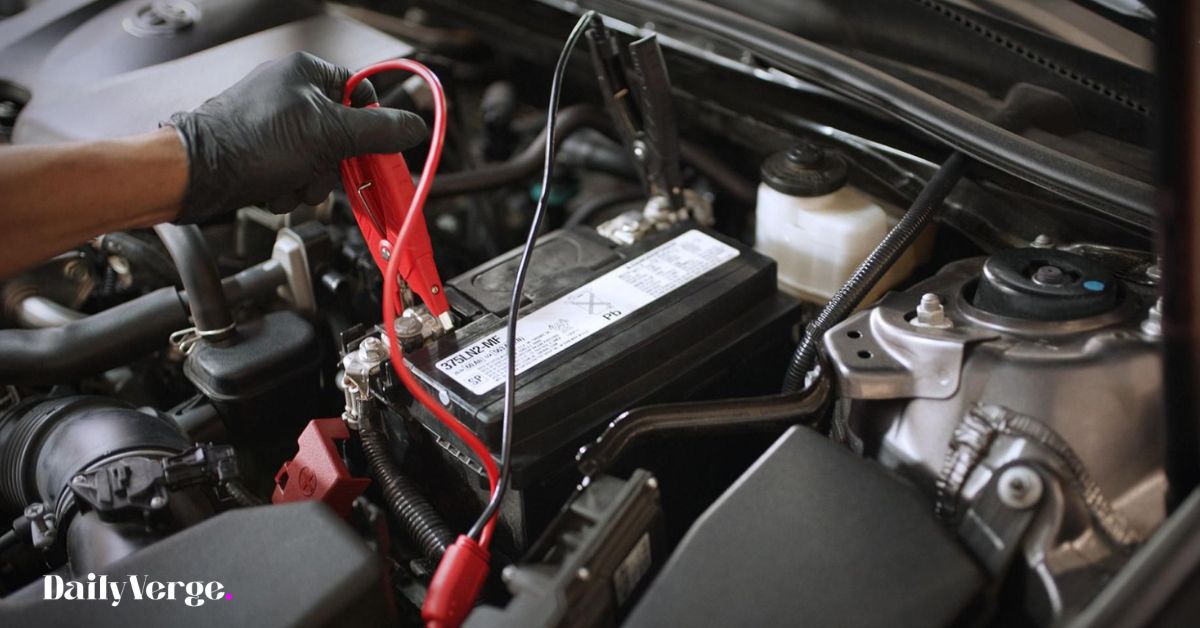
Car batteries are one of the most important parts of any vehicle, yet many drivers rarely think about them until a problem occurs. Whether you drive daily or only use your vehicle occasionally, understanding how long do car batteries last can help you avoid unexpected breakdowns and expensive repairs. A healthy battery ensures that your engine starts properly, powers essential electrical systems, and supports modern vehicle features.
Many car owners wonder how long do car batteries last before they need replacement. While there is no single answer that applies to every vehicle, several factors influence battery life, including climate, driving habits, maintenance, and battery quality. Learning about these factors can help you get the most value from your battery and recognize when it’s time for a replacement.
Understanding the Average Lifespan of a Car Battery
When discussing how long do car batteries last, most automotive experts agree that the average lifespan is between three and five years. However, some batteries may fail earlier, while others can continue performing well beyond five years with proper care.
A car battery stores electrical energy and provides the power needed to start the engine. Every time you start your vehicle, a small amount of battery power is used. The alternator then recharges the battery while the engine is running. Over time, the battery’s internal components naturally wear out, reducing its ability to hold a charge.
If your vehicle is regularly maintained and driven under normal conditions, you can generally expect a battery lifespan within the standard three-to-five-year range.
Factors That Affect How Long Car Batteries Last
Several factors determine how long do car batteries last in real-world conditions. Understanding these factors can help you maximize battery performance and longevity.
Climate and Temperature
Extreme temperatures have a significant impact on battery health. Hot weather can accelerate chemical reactions inside the battery, causing internal damage and shortening its lifespan. In many regions, excessive heat is actually more damaging than cold weather.
Cold temperatures can also create problems. During winter, batteries must work harder to start the engine because engine oil becomes thicker and electrical demand increases. Older batteries often struggle during cold mornings.
Driving Habits
Your driving habits play an important role in determining how long do car batteries last. Frequent short trips can prevent the battery from fully recharging. When the engine runs for only a few minutes at a time, the alternator may not generate enough power to replace the energy used during startup.
Longer drives allow the alternator to recharge the battery more effectively, helping maintain optimal battery health.
Vehicle Electronics
Modern vehicles contain numerous electronic systems, including infotainment screens, navigation systems, cameras, sensors, and charging ports. These features place additional demands on the battery.
Leaving headlights, interior lights, or electronic accessories on when the engine is off can drain the battery and reduce its overall lifespan.
Battery Quality
Not all batteries are created equal. High-quality batteries often use better materials and manufacturing processes, resulting in improved performance and durability. Investing in a reputable battery can lead to longer service life and greater reliability.
Signs Your Car Battery May Need Replacement
Knowing how long do car batteries last is useful, but recognizing warning signs is equally important. Batteries often provide clues before they fail completely.
Slow Engine Cranking
If the engine takes longer than usual to start, the battery may be losing its ability to provide sufficient power.
Dim Headlights
Weak or dim headlights can indicate that the battery is struggling to maintain proper voltage.
Dashboard Warning Light
Many vehicles feature a battery warning light on the dashboard. If this light remains illuminated, it may signal a charging or battery issue.
Electrical Problems
Malfunctioning power windows, radio issues, or other electrical irregularities can sometimes be linked to battery deterioration.
Swollen Battery Case
Heat exposure can cause the battery casing to swell or deform. A swollen battery should be inspected and replaced as soon as possible.
How to Extend the Life of Your Car Battery
Many drivers ask not only how long do car batteries last but also how they can make them last longer. Fortunately, several simple maintenance habits can help.
Drive Your Vehicle Regularly
Vehicles left unused for long periods can experience battery discharge. Regular driving helps keep the battery charged and healthy.
Keep Battery Terminals Clean
Corrosion around battery terminals can interfere with electrical flow. Periodically cleaning the terminals helps maintain strong connections.
Avoid Excessive Short Trips
Whenever possible, combine errands into longer drives. This allows the alternator enough time to fully recharge the battery.
Turn Off Electronics
Before leaving your vehicle, make sure all lights and accessories are turned off. This prevents unnecessary battery drain.
Schedule Battery Testing
Regular battery inspections can identify potential problems before they become major issues. Many automotive service centers offer quick battery health checks.
How Long Do Car Batteries Last in Different Conditions?
The answer to how long do car batteries last often depends on where and how the vehicle is used.
In hot climates, batteries may last around three years due to continuous exposure to high temperatures. In moderate climates, batteries frequently reach four to five years or more. Vehicles that are driven regularly and maintained properly generally experience longer battery life than vehicles that sit unused for extended periods.
Commercial vehicles, rideshare cars, and vehicles with heavy electrical demands may also require battery replacement sooner than average.
When Should You Replace Your Car Battery?
Most experts recommend paying close attention once a battery reaches three years of age. At this point, periodic testing becomes increasingly important. Even if the battery appears to function normally, its ability to hold a charge may be declining.
If your battery is approaching five years old, proactive replacement can reduce the risk of unexpected failure. Replacing an aging battery before it fails completely can save time, inconvenience, and potential towing costs.
Understanding how long do car batteries last allows drivers to plan ahead rather than waiting for a breakdown.
Common Mistakes That Shorten Battery Life
Several common mistakes can significantly reduce battery longevity.
Leaving electronics running when the engine is off is one of the most frequent causes of battery drain. Ignoring corrosion buildup can also create charging problems. Failing to secure the battery properly may expose it to excessive vibration, which can damage internal components.
Another common mistake is neglecting regular maintenance inspections. Small issues often become major problems when left unaddressed.
Conclusion
Understanding how long do car batteries last can help every driver avoid unexpected starting problems and costly repairs. While most batteries last between three and five years, factors such as climate, driving habits, vehicle electronics, and maintenance practices all influence battery lifespan. Paying attention to warning signs, performing regular maintenance, and replacing an aging battery before failure can improve reliability and keep your vehicle running smoothly. By taking proactive care of your battery, you can maximize its performance and enjoy greater peace of mind on the road.
FAQs
How long do car batteries last on average?
Most car batteries last between three and five years under normal driving and maintenance conditions.
Can a car battery last longer than five years?
Yes, some high-quality batteries can exceed five years if properly maintained and used in favorable conditions.
What causes a car battery to wear out quickly?
Extreme temperatures, frequent short trips, and leaving electronics on can shorten battery life.
How can I tell if my battery is failing?
Slow engine starts, dim headlights, dashboard warning lights, and electrical issues are common signs.
Should I replace my battery before it fails?
Yes, replacing an aging battery proactively can prevent unexpected breakdowns and improve vehicle reliability. read more
