


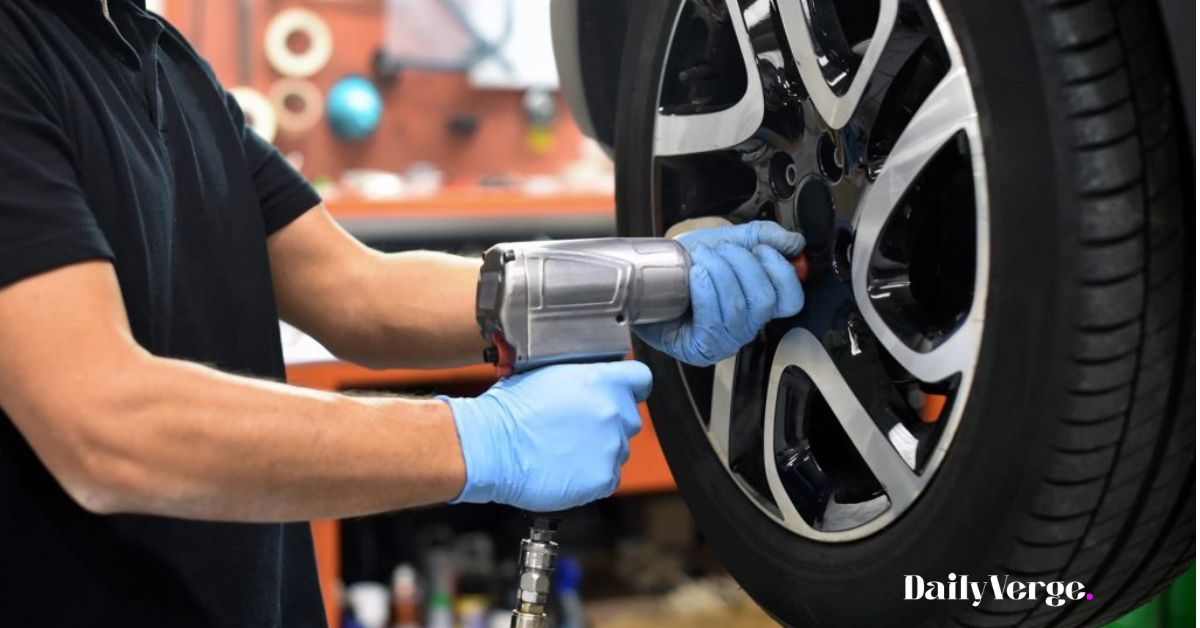
A flat tire can happen when you least expect it. Whether you are driving to work, heading out on a road trip, or simply running errands, knowing how to change a tire is an important skill that can save time, money, and stress. Many drivers rely on roadside assistance, but learning this basic vehicle maintenance task can help you get back on the road safely when help is not immediately available.
This guide explains how to change a tire in a simple and practical way. Even if you have never done it before, the steps below will help you understand the process and avoid common mistakes.
Why Every Driver Should Know How to Change a Tire
Learning how to change a tire is about more than convenience. A flat tire can occur because of a nail, road debris, potholes, or normal wear and tear. If you know how to respond properly, you can avoid being stranded and reduce the risk of further damage to your vehicle.
Understanding this process also helps you become more confident behind the wheel. While modern vehicles are equipped with safety features, a flat tire remains one of the most common roadside problems drivers face.
Tools You Need Before You Start
Before learning how to change a tire, make sure your vehicle has the necessary equipment. Most cars come with basic tools stored in the trunk.
Essential tools include:
- A spare tire
- A vehicle jack
- A lug wrench
- The owner’s manual
Helpful safety items include:
- Flashlight
- Gloves
- Reflective warning triangle
- Wheel chocks
- Tire pressure gauge
Checking these items regularly can help ensure you are prepared for an emergency.
Find a Safe Place to Stop
The first step in how to change a tire is finding a safe location. If you notice a flat tire while driving, slow down gradually and avoid sudden braking. Look for a level area away from traffic, such as a parking lot or a wide shoulder.
Turn on your hazard lights immediately so other drivers can see you. Once parked, engage the parking brake and place the vehicle in park or first gear if you drive a manual transmission.
Safety should always come before speed when dealing with a roadside emergency.
Loosen the Lug Nuts
Before lifting the vehicle, use the lug wrench to loosen the lug nuts on the flat tire. Turn them counterclockwise, but do not remove them completely.
This step is important because the tire is still touching the ground, making it easier to apply force without the wheel spinning. Many people skip this step and struggle later when the vehicle is already elevated.
When learning how to change a tire, understanding the correct order of steps makes the process much easier and safer.
Position the Jack Correctly
Every vehicle has designated jacking points designed to support its weight safely. Consult your owner’s manual to locate the proper lifting point nearest the flat tire.
Place the jack firmly under the vehicle and ensure it is sitting on stable ground. An incorrectly positioned jack can damage your vehicle or create a dangerous situation.
Proper jack placement is one of the most critical parts of how to change a tire safely.
Raise the Vehicle
Slowly operate the jack until the flat tire is several inches above the ground. Raise it only as much as needed to remove and replace the wheel.
While the vehicle is lifted, avoid putting any part of your body underneath it. A jack is designed for lifting, not supporting people beneath the vehicle.
Take your time during this step and make sure the vehicle remains stable throughout the process.
Remove the Flat Tire
Now remove the loosened lug nuts completely and place them somewhere secure where they will not roll away.
Carefully pull the flat tire straight toward you and remove it from the wheel hub. Depending on the vehicle, the tire may feel heavier than expected, so use both hands and maintain a firm grip.
At this stage of how to change a tire, keeping track of the lug nuts is essential because you will need them for the spare tire.
Install the Spare Tire
Align the spare tire with the wheel studs and slide it into place. Once it is positioned correctly, hand-tighten the lug nuts onto the studs.
Do not fully tighten them yet. Tightening the lug nuts completely while the vehicle is elevated can lead to uneven pressure on the wheel.
This step is often easier with patience and careful alignment rather than force.
Lower the Vehicle and Tighten the Lug Nuts
Slowly lower the vehicle until the spare tire touches the ground. Once the vehicle is fully lowered, use the lug wrench to tighten the lug nuts securely.
Tighten them in a star pattern rather than going around the wheel in a circle. This method helps distribute pressure evenly and ensures the wheel sits properly on the hub.
Anyone learning how to change a tire should remember this technique because it contributes to both safety and wheel stability.
Check the Spare Tire Before Driving
After installing the spare tire, inspect it carefully. Check for visible damage and confirm that it appears properly inflated.
Many spare tires are temporary tires designed for short-distance travel at reduced speeds. Drive cautiously and visit a tire repair or replacement shop as soon as possible.
Even after successfully completing how to change a tire, the job is not fully finished until the damaged tire has been repaired or replaced.
Common Mistakes to Avoid
Many drivers make simple errors that can complicate a tire change.
Common mistakes include:
- Failing to activate hazard lights
- Parking on uneven ground
- Forgetting the parking brake
- Placing the jack incorrectly
- Losing lug nuts
- Over-tightening or under-tightening lug nuts
- Driving too far on a temporary spare tire
Avoiding these mistakes can make the entire process smoother and safer.
Tips for Preventing Flat Tires
Although flats cannot always be avoided, regular maintenance significantly reduces the risk.
Helpful prevention tips include:
- Check tire pressure monthly
- Inspect tread wear regularly
- Rotate tires according to manufacturer recommendations
- Avoid potholes when possible
- Remove debris from tire treads
- Replace aging tires before they become unsafe
A little maintenance can prevent many roadside problems before they occur.
Conclusion
Knowing how to change a tire is one of the most valuable skills a driver can learn. A flat tire can happen unexpectedly, but having the knowledge and confidence to handle the situation can save time and reduce stress. By carrying the proper tools, following safety precautions, and using the correct steps, you can replace a flat tire efficiently and continue your journey with confidence. While roadside assistance is always an option, understanding how to change a tire gives you greater independence and preparedness whenever you are on the road.
FAQs
How long does it take to change a tire?
Most people can change a tire in about 15 to 30 minutes if they have the right tools and a safe location.
Can I drive on a spare tire for a long distance?
Most temporary spare tires are designed for short distances only and should be replaced as soon as possible.
Should I loosen lug nuts before lifting the car?
Yes, loosening the lug nuts before raising the vehicle makes them easier and safer to remove.
What should I do if I do not have a spare tire?
Contact roadside assistance or use a tire repair kit if your vehicle is equipped with one.
How often should I check my tire pressure?
Checking tire pressure at least once a month helps improve safety, fuel efficiency, and tire lifespan. read more
