


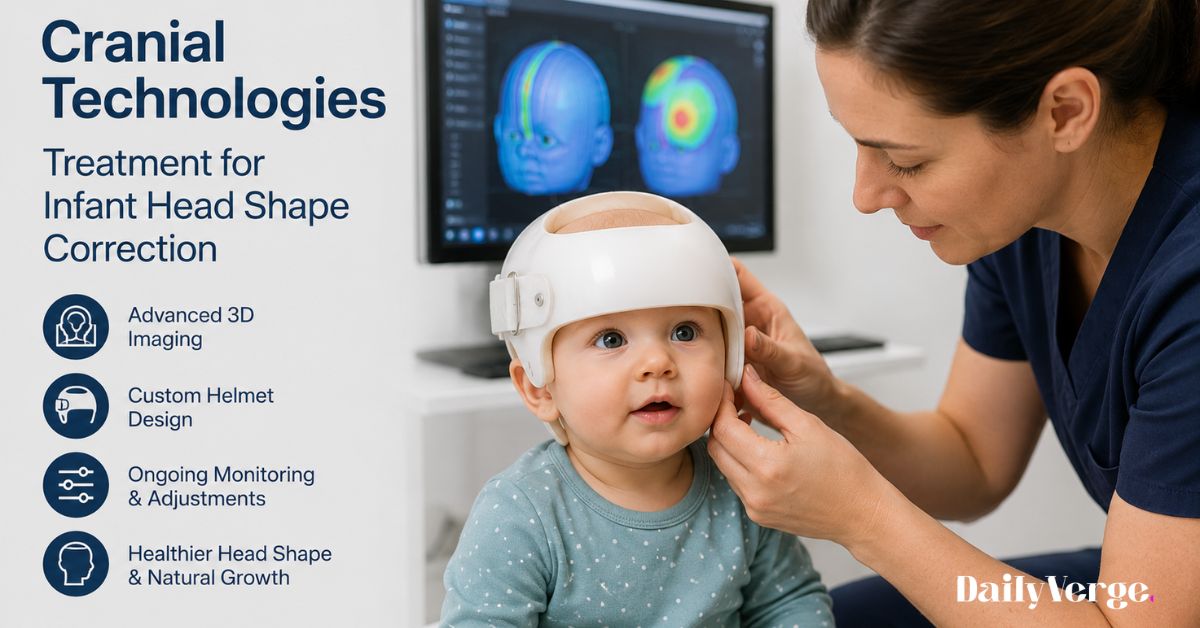
Cranial Technologies is widely known for its specialized approach to treating infant head shape irregularities using advanced medical assessment and helmet therapy solutions. Cranial technologies has become a frequently searched topic among parents who are concerned about their baby’s skull development, especially during the early months of growth when head shape can change rapidly. Many families look for reliable, non-surgical solutions, and cranial technologies is often associated with one of the most recognized treatment methods in this field.
Understanding cranial technologies is important for parents who notice flat spots or uneven head shapes in infants. Early evaluation can make a significant difference in treatment outcomes, especially when growth is still active and the skull is flexible.
What is Cranial Technologies and Why It Matters
cranial technologies refers to a specialized medical service focused on diagnosing and correcting infant head shape conditions such as plagiocephaly and brachycephaly. The goal is to guide natural skull growth using customized cranial helmets designed for each child’s unique head structure.
Parents often seek cranial technologies when they observe flattening on one side of the baby’s head or asymmetry in facial alignment. In most cases, early intervention can help improve symmetry and prevent long-term structural imbalance. cranial technologies plays a major role in early detection and correction through advanced scanning and monitoring systems.
How Cranial Technologies Works in Infant Care
The process behind cranial technologies involves detailed 3D imaging of the infant’s head to measure asymmetry and identify pressure points. Once the scan is completed, a customized helmet is designed to gently guide growth in the right direction.
cranial technologies uses continuous monitoring during treatment to adjust the helmet as the baby grows. Since infants grow quickly, regular checkups ensure that the correction process remains effective. This approach is non-invasive and designed to work with natural growth patterns rather than forceful correction.
Common Conditions Treated
cranial technologies is primarily used for conditions related to abnormal head shape development in infants. The most common include:
- Plagiocephaly, where one side of the head becomes flattened
- Brachycephaly, where the back of the head appears wide and flat
- Positional head deformities caused by sleeping positions
- Mild cranial asymmetry observed in early infancy
These conditions are often detected within the first few months of life. cranial technologies provides structured evaluation to determine whether helmet therapy is necessary or if repositioning techniques alone may help.
Treatment Process and What Parents Can Expect
The treatment journey through cranial technologies begins with an initial consultation and head scan. After analysis, a customized helmet is created specifically for the baby’s head shape.
Once treatment begins, babies typically wear the helmet for most of the day, with short breaks for hygiene and comfort. Follow-up visits are scheduled regularly to track progress and make adjustments if needed. cranial technologies focuses on gradual improvement, allowing the skull to reshape naturally over time.
Parents are also guided on proper care routines, including cleaning the helmet and monitoring skin comfort. The entire process is designed to be safe, gentle, and effective for infants during their early development stages.
Cost and Insurance Considerations
One of the most common concerns for families is the cost of treatment. cranial technologies can vary in pricing depending on location, severity of the condition, and treatment duration. In many cases, insurance may partially or fully cover the cost if medical necessity is confirmed.
Families are encouraged to check with their insurance providers early in the process. cranial technologies often assists with documentation and evaluation reports to support insurance claims. Payment plans may also be available to make treatment more accessible.
Results and Effectiveness of Treatment
The success of cranial technologies largely depends on early detection and consistent use of the helmet. Infants treated within the optimal age range often show significant improvement in head shape symmetry.
Visible results can usually be seen within a few weeks, although full treatment may take several months. cranial technologies emphasizes gradual correction to ensure natural development is not disrupted. Most parents report noticeable improvement in both head shape and overall balance of facial features.
Why Parents Choose This Approach
Many families choose cranial technologies because it offers a non-surgical and medically supervised method of correcting head shape concerns. The combination of advanced imaging, personalized treatment, and continuous monitoring makes it a trusted option.
cranial technologies also provides reassurance to parents who are uncertain about whether intervention is necessary. Professional evaluation helps eliminate guesswork and ensures that the chosen treatment path is appropriate for the child’s condition.
Importance of Early Intervention
Early evaluation plays a crucial role in treatment success. cranial technologies is most effective when started during early infancy, typically when skull bones are still soft and responsive to correction.
Delaying treatment may reduce effectiveness, as head growth slows with age. For this reason, many pediatricians recommend early screening if any asymmetry is noticed.
Conclusion
Cranial shape development is an important part of early childhood growth, and timely attention can make a lasting difference. cranial technologies provides a structured and medically guided approach to correcting head shape irregularities using customized helmet therapy.
By combining early diagnosis, personalized treatment, and continuous monitoring, cranial technologies supports healthy skull development during a critical growth phase. For parents seeking a safe and non-invasive solution, it remains one of the most recognized options available today.
FAQs
What age is best for starting treatment?
The best time to begin treatment is during early infancy when skull growth is most active. Early evaluation leads to better outcomes.
How long does treatment usually take?
Treatment duration varies but often lasts several months depending on the severity of the condition and response to therapy.
Is helmet therapy safe for babies?
Yes, the therapy is designed to be gentle and non-invasive. It guides natural growth without applying harmful pressure.
Do babies feel discomfort wearing the helmet?
Most babies adjust quickly and do not experience significant discomfort after the initial adaptation period.
Can head shape improve without treatment?
Mild cases may improve with repositioning techniques, but more significant asymmetry often requires medical intervention for best results. read more
