


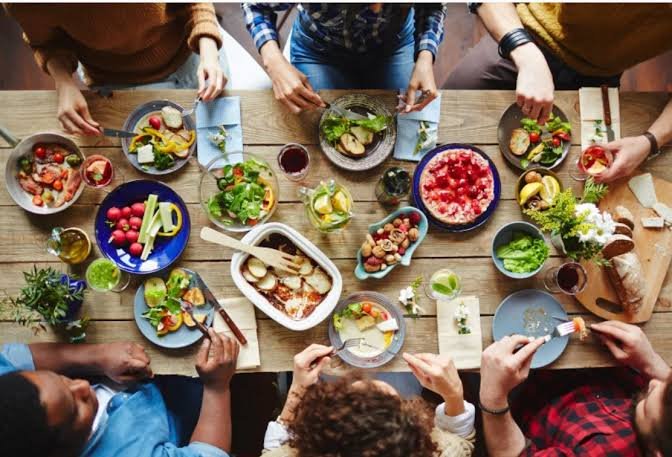
A kitchen once represented the practical centre of a Western home. Families planned their days around meals, parents passed recipes to children, and eating outside was usually reserved for weekends or special occasions. Today, many kitchens function differently. People use them for coffee, snacks, reheating prepared food and storing delivery containers. Even households with modern ovens, large refrigerators and shelves of cooking equipment may prepare only a few full meals each week.
This change is easy to describe as laziness, but that explanation ignores how daily life has developed. Long working days, smaller households, delivery technology, supermarket convenience food and changing social habits have altered the value of cooking. A homemade dinner may cost less than a restaurant meal, yet preparing it requires time, planning, energy and attention. For someone finishing work at seven in the evening, ordering food can feel like a practical decision rather than an extravagance.
The trend also differs across the West. Home cooking remains important in many rural areas, lower-cost regions and cultures with strong family meal traditions. Urban professionals, students and single-person households often depend more heavily on restaurants and prepared food. The broad movement, however, is clear: cooking has shifted from an unavoidable daily task to one choice among several convenient alternatives.
1. Home Cooking Lost Its Position as the Default
Home cooking dominated everyday life when there were few realistic alternatives. Restaurants were relatively expensive, takeaway choices were limited, and supermarkets sold fewer complete meals. A household that wanted dinner usually had to prepare it. Cooking was not necessarily a beloved ritual. It was routine domestic work, performed because people needed to eat and had no app capable of delivering noodles within half an hour.
Modern consumers face a completely different set of options. They can order breakfast, lunch, dinner, desserts and drinks from a telephone. Supermarkets offer prepared salads, cooked meat, frozen dishes, meal kits and chopped ingredients. Petrol stations and convenience shops sell surprisingly complete meals. Offices provide canteens, while schools and universities serve students during the day. A person can eat adequately for weeks without peeling a vegetable or turning on an oven.
Household structure has also weakened the traditional meal schedule. Larger families once had a clear economic reason to cook one dish for several people. Western countries now contain more adults who live alone, couples without children, separated parents and flatmates following different routines. Preparing a large dish makes less sense when only one person wants dinner. The cook must either reduce the recipe, eat the same food repeatedly or freeze several portions.
Irregular schedules create another obstacle. One partner may work late while the other attends the gym, collects a child or meets friends. Teenagers may eat at school and return home at different times. Remote workers sometimes eat between meetings, while shift workers sleep during conventional dinner hours. A shared meal becomes difficult when household members do not share a timetable.
The meaning of eating outside has changed as well. Previous generations often associated restaurants with celebration, formality or high prices. Casual dining has made restaurant food part of ordinary life. Coffee shops, food halls, street-food counters and neighbourhood cafés sit between formal dining and home cooking. Customers do not need to dress up, book a table or wait for an occasion.
Social life increasingly takes place around commercial food. Friends who once visited one another’s homes may meet in a café because nobody needs to shop, cook or clean afterwards. Restaurants also offer neutral territory when people live in small flats or share accommodation. Sitting on restaurant chairs for two hours can require less organisation than hosting six guests in a cramped home.
Cooking therefore competes with an entire system designed to remove friction. Each alternative saves one or more parts of the domestic process. A supermarket meal eliminates preparation. A restaurant eliminates preparation, serving and washing up. Delivery removes travel as well. Home cooking still offers control and personal satisfaction, but it no longer wins automatically.
2. A Homemade Meal Costs More Than Its Ingredients
Price comparisons often make home cooking look like the obvious choice. A portion of homemade pasta may cost £2 or £3, while a delivered version might cost £12 before fees. This calculation is accurate but incomplete. It assigns no value to the time spent choosing a recipe, checking cupboards, visiting a shop, preparing ingredients, cooking and cleaning.
Meal planning creates a significant mental burden. Someone must remember which ingredients remain in the refrigerator, what needs to be used soon and what every household member will accept. The planner must also consider allergies, diets, budgets, schedules and portion sizes. These decisions return every day. Ordering from a menu transfers much of that work to a restaurant.
Shopping adds another layer of effort. A simple dinner may require ingredients from several supermarket sections, some of which are sold in quantities larger than the recipe needs. The shopper must travel, queue, carry the food home and store it correctly. Online grocery delivery reduces the physical work but still requires planning. A takeaway order may take less than a minute when a customer repeats a previous purchase.
Preparation time matters most when people feel tired. Many jobs require continuous communication, problem-solving and screen use. Employees may finish the day without physical exhaustion but with little capacity for further decisions. Chopping onions is not technically difficult, yet it can feel unappealing after hours of deadlines, meetings and family responsibilities.
Cleaning can be the decisive factor. Cooking may dirty knives, chopping boards, pans, plates and worktops. A meal that takes 20 minutes to eat can generate another 20 minutes of washing and tidying. Households with dishwashers reduce part of this burden, but somebody must still load the machine, clean larger items and put everything away.
Food waste can reduce the financial advantage of cooking. A single person may buy herbs, vegetables, cream or bread for one recipe and use only part of each package. The unused ingredients eventually spoil. Restaurants distribute the same ingredients across many customers, which makes variety easier to provide. One diner can order a dish containing ten components without purchasing ten separate packets.
Energy prices also shape behaviour, although their importance varies by meal. Heating an oven for one portion can seem wasteful. Long cooking times increase both the bill and the temperature of a small home. During hot weather, residents may avoid using ovens because their homes lack air conditioning. A cold supermarket meal or delivered dinner appears more practical.
Opportunity cost completes the calculation. An hour spent shopping and cooking cannot also be used for paid work, exercise, childcare, rest or social activity. High earners may view their free time as more valuable than the difference between homemade and purchased food. Lower earners may also choose convenience when working several jobs or travelling long distances.
The burden rarely falls evenly within a household. Women have historically performed more unpaid cooking and cleaning, even when they also work outside the home. As gender roles changed, many families did not replace the old arrangement with an equal division of labour. Buying prepared food became one way to remove a recurring source of conflict.
Convenience therefore has real value, even when it carries a higher price. People do not pay only for food. They pay to avoid planning, shopping, preparation, uncertainty and cleaning. The restaurant bill may look expensive beside the ingredient cost, but it purchases several services at once.
3. The Convenience Industry Is Built Around Human Habits
Food delivery existed long before smartphones, but digital platforms changed its speed and psychological appeal. Customers once needed a paper menu, a telephone call and cash at the door. They now see hundreds of options on one screen, with photographs, ratings, estimated arrival times and saved payment details. Removing these small obstacles increases the chance of an impulsive order.
Personalisation makes the process even easier. Apps remember addresses, favourite dishes and previous orders. A hungry customer does not need to consider every possibility. One tap can repeat last Friday’s dinner. Notifications arrive around mealtimes, often carrying a discount or a photograph of familiar food. The platform reaches the customer before the customer has decided what to eat.
Promotions disguise the full cost. Free delivery, introductory discounts and loyalty rewards make ordering appear temporarily cheaper. Minimum-spend rules encourage customers to add drinks, side dishes or desserts. Subscription programmes convert delivery into a service that people feel they should use to justify the monthly payment. Each feature supports repetition.
The industry also responds closely to emotion. Hunger is only one reason people order food. Boredom, stress, loneliness and the desire for a reward can produce the same behaviour. A difficult working day creates a simple narrative: dinner should be enjoyable and require no further effort. The meal becomes both nourishment and compensation.
Restaurant choice adds excitement that routine home cooking may lack. One evening can bring Thai curry, the next Lebanese grilled meat and the next Mexican tacos. Producing the same range at home would require specialist ingredients, knowledge and storage. Delivery platforms allow customers to change cuisines without learning new techniques.
Social media strengthens demand by keeping desirable food visible throughout the day. Short videos show melted cheese, crisp fried coatings and oversized desserts in close detail. Influencers review new venues and limited menu items. Viewers encounter these images even when they are not actively searching for food. By dinner time, a craving may already be established.
Supermarkets participate in the same convenience culture. Prepared sauces, frozen vegetables, cooked grains and marinated meat reduce the distance between raw ingredients and a complete dish. Some products require only heating, while others allow customers to feel that they cooked despite performing little preparation. The boundary between cooking and reheating has become difficult to define.
Meal kits occupy the middle ground. They remove shopping and portioning while leaving the customer to chop, cook and assemble. For some households, this arrangement restores confidence and reduces waste. For others, it still creates too many pans and takes longer than the recipe card promises. The popularity of meal kits demonstrates that people may enjoy cooking once the planning burden disappears.
Repeated convenience can weaken practical skills. A person who orders dinner most evenings gains little experience with timing, seasoning or ingredient substitution. When that person attempts to cook, the process feels slow and uncertain. Small mistakes confirm the belief that cooking is difficult, making the next delivery order more likely.
Habit formation makes the shift self-reinforcing. A customer feels hungry, opens an app and receives food with little effort. The immediate reward teaches the brain to repeat the action. Grocery shopping requires delayed gratification: work now, eat later. Delivery connects desire and reward far more quickly.
Convenience does not remove labour; it relocates it. Restaurant workers, couriers, warehouse staff and food producers perform the tasks that households avoid. Low delivery prices may depend on insecure work, modest wages and intense competition between restaurants. Consumers see a smooth digital service, but a complicated labour system operates behind the screen.
4. Cooking Skills, Homes and Expectations Have Changed
Cooking knowledge once passed through daily observation. Children watched adults prepare familiar dishes, helped with simple tasks and gradually learned measurements without formal instruction. Recipes reflected available local ingredients and repeated techniques. Young adults often left home with a basic collection of meals they could make without consulting a screen.
That transfer now happens less consistently. Parents who cook infrequently have fewer skills to pass on. Children may spend afternoons in organised activities rather than in the kitchen. Families eat at different times, and prepared meals reveal little about how food is made. A teenager can reach adulthood knowing how to order several cuisines but not how to judge whether an onion has softened.
Food education rarely closes the gap. School lessons may cover nutrition or occasional baking, but they do not always teach the routine management of household meals. Students need practical knowledge: how to use leftovers, cook inexpensive staples, store food safely and turn a limited set of ingredients into several dinners. Without repetition, isolated lessons fade quickly.
Modern recipes can unintentionally discourage beginners. Online publishers compete for attention with elaborate photographs, unusual ingredients and claims about perfection. A basic soup becomes a lengthy project with homemade stock, garnishes and specialist equipment. An inexperienced cook may assume that acceptable food requires professional presentation.
Television also presents a contradictory message. Cooking programmes make food entertaining, but many focus on competition, speed and judgement. Contestants produce difficult dishes under pressure while experts criticise minor flaws. Such programmes can inspire confident cooks, yet they can make ordinary viewers more anxious about mistakes.
Perfectionism turns a domestic skill into a performance. People compare a weekday dinner with restaurant food or polished social-media content. They may feel that serving eggs, soup or a basic pasta dish does not count as proper cooking. This standard overlooks the plain meals that sustained previous generations. Everyday cooking does not need to impress an audience.
Housing affects behaviour just as strongly as confidence. Urban residents may have narrow worktops, weak ventilation and limited cupboard space. Shared kitchens can be dirty or crowded, with shelves divided among several tenants. Cooking becomes frustrating when there is nowhere to chop, store leftovers or leave equipment to dry.
Rental insecurity creates further limits. Tenants who move frequently may avoid buying heavy pans, appliances and pantry ingredients. Poorly maintained ovens can heat unevenly, while small refrigerators make bulk shopping difficult. A modern-looking kitchen in a property advertisement may offer little practical working space.
Lifestyle marketing adds another contradiction. Western homes often feature large, expensive kitchens, yet their owners may cook less than previous generations with basic facilities. The kitchen can serve as an architectural statement, social area or background for entertaining. Its visual role may exceed its practical one.
Changing family expectations have brought benefits but also disruption. Fewer people accept that one household member should spend every evening cooking for everyone else. That rejection is reasonable, particularly when the work is unpaid and unrecognised. Problems arise when households abandon the old division of labour without creating a new shared routine.
Cooking can survive when responsibility becomes genuinely collective. One person can plan meals, another can shop, and others can prepare or clean. Children can perform age-appropriate tasks. Without this distribution, the most capable cook often becomes permanently responsible, which creates resentment and eventually encourages more ordering.
Social connection has also moved outside the home. Cafés and restaurants offer atmosphere, service and access to people without the obligations of hosting. Guests do not inspect the host’s flat, wait while dinner finishes or remain while the kitchen is cleaned. Paying for a meal simplifies the social encounter.
Eating outside also provides stimulation that home cannot always reproduce. Music, lighting, unfamiliar dishes and contact with other diners turn a meal into an activity. For people living alone, a busy café can relieve isolation. The attraction is not simply the food; it is participation in public life.
5. Home Cooking Is Changing Rather Than Disappearing
Claims about the death of home cooking often rely on an outdated definition. Many households still prepare food, but they combine raw ingredients with prepared components. Someone might cook rice, heat a supermarket curry and add fresh vegetables. Another person may assemble a salad with cooked chicken and bottled dressing. These meals require less technique but still involve decisions and domestic work.
Hybrid eating suits modern schedules. A household may order food on busy weekdays, cook a larger meal on Sunday and use leftovers for lunch. Parents might prepare children’s meals while buying their own dinner later. Remote workers may cook breakfast and lunch but meet friends outside in the evening. Behaviour rarely fits a simple division between cooks and non-cooks.
Frequent reliance on purchased food still has consequences. Restaurant and takeaway dishes often contain more salt, fat and energy than customers would use at home. Portions may also be larger. The issue is not that every restaurant meal is unhealthy, but that customers have less control over ingredients and cooking methods.
Financial effects accumulate quietly. A single delivery may appear affordable, while a month of orders can consume a substantial part of disposable income. Service fees, delivery charges and small additions increase the total. People often remember the menu price rather than the final amount charged to their account.
Lost confidence presents another cost. Basic cooking skills help people adapt when money is tight, dietary needs change or delivery is unavailable. A person who can prepare several inexpensive meals has more control over household spending. Cooking also makes it easier to use food before it spoils.
The answer is not to demand that everyone prepare complicated meals from scratch. Guilt rarely creates a lasting habit. A more useful approach reduces the number of decisions involved. Households can develop a list of ten reliable meals, repeat ingredients across recipes and keep simple freezer options for difficult days.
Batch cooking can help, although it does not suit everyone. Preparing several portions at once spreads shopping and cleaning across multiple meals. Freezing portions prevents the boredom of eating the same dish for four consecutive days. The method works best with foods that reheat well, such as stews, soups, curries and sauces.
Small meals deserve more respect. Omelettes, baked potatoes, sandwiches, pasta and vegetable soups can provide practical dinners without becoming projects. Calling these meals inadequate pushes people towards expensive alternatives. Competence begins with repetition, not ambition.
Public policy also affects what households can manage. Predictable working hours give people more control over meals. Practical food education can teach transferable skills rather than isolated recipes. Affordable supermarkets, suitable housing and safe communal kitchens make cooking easier. Personal discipline cannot solve structural barriers alone.
Restaurants and delivery services will remain central to Western eating. They provide pleasure, cultural variety, employment and valuable relief from domestic work. The aim need not be a return to a period when one person spent hours cooking every day. That arrangement often depended on unequal labour and restricted choices.
A healthier balance starts with recognising what people actually buy when they order food: time, convenience, variety and freedom from decisions. Home cooking becomes more attractive when it offers some of those benefits. Simple recipes, shared work and realistic standards can reduce its burden without turning every dinner into a culinary event.
The decline in daily cooking therefore reflects more than changing taste. Western society reorganised work, housing, family life and technology while commercial food became easier to obtain. People responded logically to the options around them. Home cooking will persist, but increasingly as part of a mixed system in which households cook, assemble, reheat, order and eat outside according to the demands of each day.
