


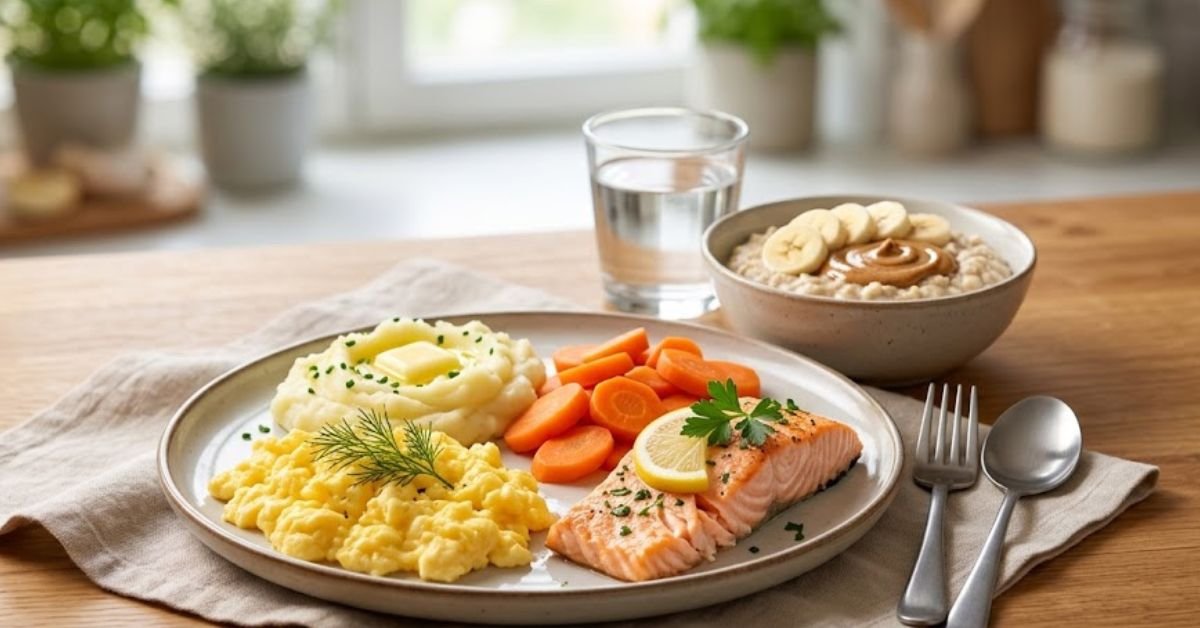
Finding the right foods can make mealtimes much easier when chewing, swallowing, digestion, or recovery makes ordinary meals uncomfortable. The phrase food for soft is often used to describe meals and ingredients that have a tender, smooth, mashed, or easily manageable texture. In practice, this usually means choosing foods that need less chewing and can be prepared in ways that make them easier to eat.
A soft-food approach does not have to mean eating bland meals all day. With the right ingredients, you can still build satisfying breakfasts, lunches, dinners, and snacks while paying attention to texture, nutrition, and personal tolerance. A general soft-food diet often includes tender proteins, cooked vegetables, soft fruits, eggs, dairy products, pasta, rice, and other foods that are easy to chew or swallow.
What Is a Soft Food Diet?
A soft food diet is an eating pattern built around foods that are physically soft and easy to chew or swallow. Some versions also limit fiber or foods that are difficult to digest, depending on why the diet is being used. Healthcare professionals may recommend this type of eating after certain surgeries, during some digestive problems, or when chewing and swallowing are difficult.
It is important to understand that a soft diet is not exactly the same for everyone. Someone recovering from dental treatment may mainly need foods that require little chewing, while a person following a medically prescribed gastrointestinal diet may have additional restrictions. People with swallowing difficulties may need a specific texture recommended by a clinician or speech-language professional.
Why Do People Choose Soft Foods?
There are several reasons a person may temporarily need softer meals. After oral or dental procedures, chewing can be uncomfortable, so tender foods can reduce the work required at mealtimes. Soft foods may also be useful during recovery from certain operations or when a healthcare provider recommends a modified diet.
Digestive conditions can involve different dietary needs as well. Some people are advised to reduce fiber for a period of time, while others may simply need foods that are easier to tolerate. For this reason, a general food for soft list should be treated as a starting point rather than a universal medical prescription.
Best Food for Soft Meals
The best choices depend on the reason for the diet, but several food groups are commonly useful. Tender eggs, soft fish, ground meat, tofu, yogurt, cottage cheese, mashed potatoes, cooked vegetables, ripe bananas, applesauce, oatmeal, rice, and pasta can all be adapted into comfortable meals.
Preparation matters almost as much as the ingredient itself. When choosing food for soft meals, the cooking method can make a major difference. Chicken that is grilled until dry may be difficult to chew, while shredded or gently cooked chicken with a moist sauce can be much easier. Vegetables can be steamed until tender, mashed, or blended into soups. Fruit can be peeled, cooked, mashed, or served as unsweetened applesauce when appropriate.
Soft Foods for Breakfast
Breakfast can be simple without becoming repetitive. A thoughtful food for soft breakfast can still provide protein and energy. Oatmeal is a practical option because it can be cooked until creamy and combined with mashed banana, smooth nut butter, yogurt, or another ingredient that fits the individual’s diet. Scrambled eggs are another useful choice because they provide protein while remaining naturally tender.
Other possibilities include yogurt, cottage cheese, soft pancakes, cream of wheat, rice porridge, or a smoothie when liquids are suitable. If a person has been given specific swallowing instructions, smoothies and other thin liquids may not always be appropriate, so professional guidance should take priority.
Soft Foods for Lunch
Lunch can include a bowl of tender rice with finely shredded chicken, soft fish with mashed potatoes, or a smooth vegetable soup with a suitable protein source. Pasta cooked until tender can also work well, especially when paired with a smooth sauce rather than dry or chunky ingredients.
For someone looking for food for soft meals after dental work, texture is especially important. Avoiding crusty bread, hard vegetables, seeds, nuts, and crunchy toppings can make eating more comfortable. Foods should be served at a manageable temperature and cut into small pieces when needed.
Soft Foods for Dinner
Dinner does not need to be limited to soup or mashed potatoes. Tender baked fish, soft ground turkey, shredded chicken, tofu, eggs, well-cooked vegetables, rice, and pasta can form the basis of a balanced meal. Adding a smooth sauce or gravy can help prevent foods from becoming dry.
A simple dinner might combine tender fish, mashed potatoes, and thoroughly cooked carrots. Another option is soft pasta with a mild sauce and finely minced protein. The goal is to create a meal that is comfortable to eat while still providing enough protein, carbohydrates, fluids, and other nutrients for the individual’s needs.
High-Protein Soft Foods
Protein is important for maintaining muscle and supporting recovery, but some protein-rich foods can be tough or chewy. Softer choices can make it easier to include protein without making meals difficult to eat.
Eggs, yogurt, cottage cheese, tofu, tender fish, shredded chicken, ground poultry, and smooth nut butter are examples that can often be adapted to a soft texture. Meat should be cooked carefully so it does not become dry or tough. Adding broth, gravy, or a suitable sauce can improve moisture and texture.
Healthy Soft Foods
A soft diet can still contain a good variety of nutritious foods. Cooked vegetables, soft fruits, lean proteins, dairy foods, grains, and healthy fats can all have a place when they fit the individual’s dietary instructions. Variety is useful because relying on only a few foods for an extended period can make it harder to meet nutritional needs.
For example, a bowl of oatmeal with banana can provide a different nutritional profile from scrambled eggs with soft toast. A dinner of fish, rice, and cooked vegetables offers another combination. The specific choices should be adjusted according to medical advice, allergies, intolerances, and the reason the diet is needed.
Foods to Avoid on a Soft Diet
Hard, crunchy, dry, chewy, or stringy foods are commonly difficult on a soft diet. Examples can include nuts, popcorn, chips, hard crackers, tough meat, raw vegetables, fruit skins, seeds, and crusty bread. Depending on the reason for the diet, high-fiber foods may also need to be limited.
Spicy or acidic foods can be uncomfortable after some dental procedures, while greasy foods may be poorly tolerated during certain digestive problems. These restrictions are not universal, so it is better to follow the instructions given by a healthcare professional rather than assuming that every person on a soft diet must avoid the same foods.
How to Make Regular Foods Softer
You do not always need completely different recipes. Changing the preparation method can turn familiar ingredients into easier meals. Steam vegetables longer, cook grains until tender, shred meat finely, remove tough skins and seeds, and use broth or sauces to add moisture.
Blending or mashing can also change texture. Potatoes can be mashed, cooked vegetables can be pureed into soup, and ripe fruit can be mashed or blended when suitable. Cutting food into small pieces and chewing slowly may also make meals easier to manage, although people with swallowing problems should follow their prescribed texture guidelines.
A Simple One-Day Soft Food Meal Plan
Breakfast could be creamy oatmeal with mashed banana and a suitable yogurt. A mid-morning snack could be applesauce or smooth yogurt.
For lunch, try tender rice with shredded chicken and well-cooked vegetables. A smooth soup can be added if it fits the person’s dietary instructions.
An afternoon snack might be cottage cheese, pudding, or another soft option. Dinner could include baked fish, mashed potatoes, and soft cooked carrots. Fluids should also be included throughout the day according to individual needs.
The aim of a food for soft meal plan is not simply to make everything soft. It is to create meals that are comfortable while still providing enough nourishment. If the diet will last more than a short period, discussing food choices with a dietitian or healthcare provider can help prevent nutritional gaps.
Soft Foods After Dental Work
After tooth extraction, wisdom tooth removal, or other oral procedures, people are often advised to choose foods that require little chewing. Examples may include mashed potatoes, scrambled eggs, yogurt, applesauce, soft pasta, rice, and suitable soups.
The instructions provided by the dental professional should come first. Some foods can irritate a healing area even if they are technically soft. Hard, crunchy, spicy, acidic, or seed-containing foods may be restricted depending on the procedure and stage of recovery.
Soft Foods for Chewing or Swallowing Difficulties
Difficulty swallowing is different from simply having a sore mouth. A person with dysphagia may need a specific food texture or liquid thickness based on an individual assessment. In these situations, choosing foods from a general internet list is not enough.
If swallowing is difficult, coughing or choking occurs during meals, or food feels stuck in the throat, medical advice is important. A healthcare professional can recommend the safest texture and help create a suitable eating plan.
How to Keep Soft Meals Interesting
Eating soft foods for several days can become boring, but food for soft eating does not have to be repetitive. Variety in flavor and preparation helps. Try changing herbs, mild sauces, cooking methods, and combinations while keeping the texture appropriate.
For example, eggs can be prepared as soft scrambled eggs, while fish can be served with different mild sauces. Oatmeal can be combined with different soft fruits, and vegetables can be turned into soups or purees. Small changes can make a temporary diet feel much less restrictive.
Tips for Preparing Better Soft Meals
Start with naturally tender ingredients whenever possible. Eggs, ripe bananas, yogurt, fish, tofu, oatmeal, and well-cooked vegetables often require less preparation than foods that begin with a tough or crunchy texture.
Moisture is also important. Dry foods can become difficult to chew, so suitable sauces, broth, gravy, yogurt, or other moist ingredients can improve the eating experience. However, people with swallowing difficulties should only use liquids and textures that have been approved for them.
Portion size can make a difference as well. Smaller pieces are often easier to manage than large pieces of food. Cooking food thoroughly, removing tough skins, and taking time to chew can also improve comfort for people who have simply been advised to eat softer foods.
When a Soft Diet May Need Professional Guidance
A general soft-food list is useful for everyday planning, but it should not replace personalized medical advice. The appropriate diet can vary depending on surgery, digestive symptoms, dental treatment, swallowing ability, allergies, and other individual circumstances.
Someone who has ongoing difficulty swallowing, repeated choking, unexplained weight loss, severe digestive symptoms, or trouble getting enough food and fluids should speak with a qualified healthcare professional. A dietitian can also help build a nutritionally balanced plan when a restricted diet needs to continue for an extended period.
Conclusion
Choosing suitable soft foods is mainly about balancing comfort, texture, nutrition, and the reason the diet is needed. Tender proteins, cooked vegetables, soft fruits, eggs, yogurt, oatmeal, rice, pasta, and mashed foods can provide plenty of variety when prepared appropriately.
The most suitable food for soft eating will depend on the individual. A person recovering from dental treatment may have different needs from someone with a digestive condition or swallowing difficulty. When a soft diet has been medically prescribed, the instructions from the healthcare provider should always take priority. With thoughtful preparation, soft meals can still be nourishing, satisfying, and enjoyable.
FAQs
What are the best soft foods to eat?
Soft eggs, yogurt, oatmeal, mashed potatoes, tender fish, cooked vegetables, rice, pasta, and ripe bananas are common options.
Is a soft food diet healthy?
It can provide balanced nutrition when planned carefully, but the appropriate foods depend on why the diet is needed.
What foods should you avoid on a soft diet?
Hard, crunchy, tough, dry, or chewy foods are commonly avoided, with additional restrictions depending on the individual’s needs.
Can I eat chicken on a soft food diet?
Yes. Tender or finely shredded chicken can be suitable when it is moist and easy to chew, provided it fits your dietary instructions.
How long should you follow a soft food diet?
There is no single timeframe. Follow the duration recommended by your healthcare provider, especially after surgery or for swallowing problems.
