


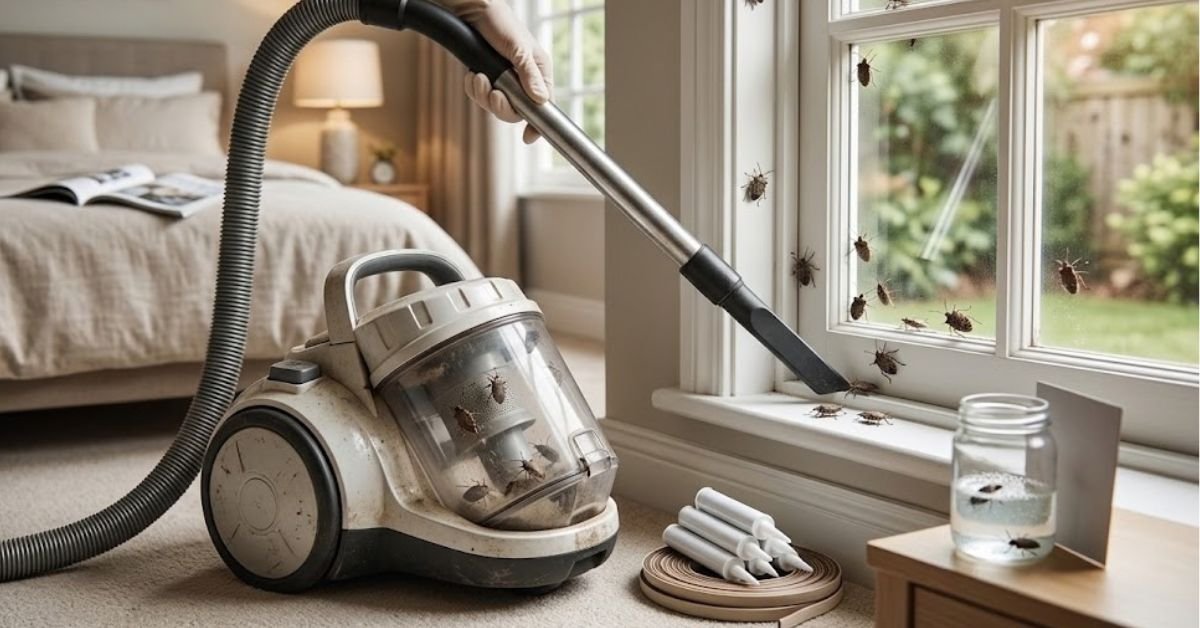
Stink bugs can be an unwelcome surprise when you spot them crawling across a bedroom wall, gathering around a window, or flying near a ceiling light. Finding one or two may not seem like a serious problem, but seeing them repeatedly can become frustrating, especially when they appear to come from nowhere. Their unpleasant smell when crushed makes removing them even more inconvenient.
Learning how to get rid of stink bugs starts with understanding why they enter your home and where they hide. These insects often seek sheltered places when outdoor temperatures change. Small gaps around windows, doors, rooflines, vents, and utility pipes can give them easy access. Once inside, they may gather in quiet areas and emerge when the room becomes warmer.
The good news is that you do not necessarily need strong chemicals to deal with them. Simple methods, such as collecting them carefully, using a vacuum, and placing a homemade light trap, can help remove the insects you see. Sealing entry points and repairing damaged screens are equally important because removing the bugs already inside will not stop new ones from entering.
This article explains practical ways to remove stink bugs, natural methods worth considering, common mistakes to avoid, and steps you can take to make your home less inviting to these persistent pests.
What Are Stink Bugs?
Stink bugs are insects recognised by their broad, shield-shaped bodies. One of the best-known species is the brown marmorated stink bug, which has mottled brown colouring and lighter markings around parts of its body. Although several stink bug species exist, many share the same defensive behaviour: they release an unpleasant odour when threatened, handled roughly, or crushed.
These insects feed mainly on plants. Outdoors, they may feed on fruit trees, vegetables, ornamental plants, and other vegetation. They are not generally interested in eating household food, furniture, or building materials. When they appear indoors, their presence usually has more to do with shelter than with a food supply inside the house.
Stink bugs can become particularly noticeable during seasonal changes. As conditions outdoors become less favourable, adult insects may gather on sunny exterior walls before moving into sheltered spaces. They can remain hidden in wall voids, attics, storage areas, and other quiet locations before becoming active again.
Although stink bugs are generally considered a nuisance rather than a dangerous household pest, large numbers can be unpleasant to live with. Their defensive odour, unexpected movements, and tendency to gather around windows can make ordinary household activities uncomfortable. Correct identification helps you choose a sensible removal method instead of spending money on products that may not solve the problem.
Why Are Stink Bugs Coming Into Your House?
Understanding why these insects enter a building is an important part of controlling them. They do not usually appear because a home is dirty. Even a well-maintained property can attract stink bugs if it offers warmth, shelter, and convenient entry points.
Seasonal changes and shelter
Many stink bugs become more noticeable in late summer and autumn in regions where temperatures drop during the colder months. They gather on buildings and seek protected places where they can survive unfavourable weather. Houses provide plenty of possible hiding spots, including roof spaces, wall cavities, window frames, and gaps behind exterior fittings.
Gaps around windows and doors
Small openings can provide a route indoors. Loose weather stripping, damaged window screens, gaps beneath exterior doors, and cracks around frames are common areas to inspect. Openings around plumbing pipes, air-conditioning units, cables, and ventilation systems can also provide access.
A gap may look too small to matter, but insects can squeeze through surprisingly narrow spaces. Checking the exterior of your property is therefore more useful than focusing only on the room where you spotted a bug.
Outdoor lighting
Lights near entrances, patios, and windows can attract flying insects or make buildings more noticeable to them. Bright exterior lighting may contribute to the number of insects gathering near doors and windows, particularly when lights remain on throughout the night.
Using outdoor lights only when needed and choosing suitable lower-attraction bulbs may help reduce insect activity around entrances. Lighting changes alone will not eliminate a stink bug problem, but they can support other prevention measures.
Nearby gardens and vegetation
Trees, shrubs, gardens, and fruit-bearing plants can provide food and shelter for stink bugs. If your property has heavy vegetation directly against the walls, insects may have more opportunities to gather near possible entry points. Keeping plants reasonably maintained and clearing fallen fruit can help make the immediate area easier to inspect and manage.
How to Get Rid of Stink Bugs in the House
When a stink bug appears indoors, the simplest approach is usually to remove it without crushing it. Spraying the insect immediately may seem convenient, but many household insecticides do not provide reliable long-term control, especially when more bugs continue entering from outside.
Collect stink bugs with a container
If you can reach the insect safely, place a small container or jar over it. Slide a piece of stiff paper or thin card underneath the opening, keeping the bug inside as you lift the container. You can then transfer it into a container of soapy water or another suitable disposal method.
Move slowly because stink bugs may drop when disturbed. Avoid squeezing the insect against the wall or handling it directly. This method works well when you find a single bug on a flat surface, such as a wall, window, or door.
Use a vacuum cleaner
Vacuuming is a convenient option when several stink bugs are scattered across a room or gathered in an awkward place. A handheld vacuum or an older vacuum dedicated to pest removal can be useful, particularly for insects on ceilings, around window frames, or in hard-to-reach corners.
However, stink bugs may release their odour when disturbed, and the smell can linger inside the vacuum’s collection chamber. If possible, use a vacuum with a disposable bag or a removable container that can be emptied and cleaned safely. Seal the collected insects in a bag before disposing of them, following the equipment manufacturer’s cleaning instructions.
Use soapy water
Soapy water is another practical way to deal with captured stink bugs. Fill a container with water and add a small amount of ordinary dishwashing liquid. Carefully drop the insects into the solution rather than crushing them against a surface.
The solution helps the insects drown, making it useful for collecting several bugs at once. Keep the container away from children and pets, and do not leave it where it could spill. Avoid spraying soapy water indiscriminately over painted walls, wooden furniture, electrical equipment, or delicate fabrics because it may cause damage.
Remove bugs from windows and curtains
Windows are common places to spot stink bugs because the insects may gather around light and warmth. Check the corners of window frames, the edges of curtains, and the space around blinds.
Use a container, a piece of card, or a suitable vacuum attachment to remove the insects. If they are resting on delicate curtains, avoid pressing them into the fabric. Check the window screen and frame afterward to identify any openings that could allow more bugs to enter.
How to Get Rid of Stink Bugs Without Squishing Them
Squishing a stink bug can release the defensive chemicals responsible for its characteristic smell. That odour may remain noticeable on your hands, nearby surfaces, or the material where the insect was crushed. Removing the insect intact is usually more pleasant and makes cleanup easier.
A jar-and-card method is suitable for individual bugs. Place the jar over the insect, slide the card underneath, and carry it to a place where you can dispose of it safely. If you do not want to get close to the insect, a vacuum cleaner with an appropriate attachment offers another option.
You can also sweep insects gently into a container using a soft brush and dustpan. This approach is useful when bugs gather along a windowsill or near a doorway. Avoid using excessive force, particularly if several insects are clustered together.
If you have a large number of stink bugs, avoid releasing captured specimens just outside the same door or window. Depending on the species and local conditions, they may return to the building. Use a suitable disposal method instead, and concentrate on blocking the routes they use to enter.
How to Make a Homemade Stink Bug Trap
A homemade light trap can help collect some stink bugs indoors. It is inexpensive to assemble, although it should be treated as a supporting method rather than a complete solution. A trap will not prevent insects from entering through gaps, and its results can vary depending on the number of bugs and the layout of the room.
What you need
- A shallow, stable bowl or pan
- Water
- A small amount of dishwashing liquid
- A desk lamp or another safe light source
How to set up the trap
Fill the bowl with water and add a little dishwashing liquid. Place it on a stable surface in a room where you have noticed stink bug activity. Position a suitable light above or near the bowl so that insects attracted to the light may fall into the water.
Use the trap in a darkened room when practical, but make sure the light is positioned securely and kept well away from the water. Never place electrical equipment where it could fall into the bowl or become wet. Keep the setup out of reach of children and pets.
Check the bowl regularly and dispose of captured insects. Do not assume that catching a few bugs means the problem has ended. Inspect nearby windows, doors, and vents to find the openings that may be letting them inside.
Do Natural Stink Bug Repellents Work?
Natural remedies are popular because many people want to avoid strong chemicals indoors. However, not every home remedy has reliable evidence behind it. A method that smells pleasant or works against one insect species may have little effect on stink bugs.
Peppermint oil
Peppermint oil is often suggested as a natural insect repellent. Some essential oils have shown effects against certain insects under particular conditions, but peppermint oil should not be presented as a dependable way to eliminate a stink bug problem. Its effectiveness can vary, and a strong scent will not seal the gaps that insects use to enter.
Essential oils may also irritate skin or airways and can be harmful to pets if used improperly. If you choose to use an essential-oil product, follow its label and avoid applying concentrated oils directly to surfaces, animals, or people.
Vinegar spray
Vinegar is another frequently suggested household remedy. It can be useful for certain cleaning tasks, but there is insufficient reason to rely on an ordinary vinegar spray as a complete stink bug treatment. Spraying insects may disturb them without solving the larger problem.
Vinegar can also affect some finishes and materials. Before using it on a surface, check whether it is suitable for that material and test an inconspicuous area.
Dish soap and water
Of the common household options, soapy water is useful for dealing with insects that have already been captured or knocked into a container. It is more appropriate as a removal method than as a general repellent. Avoid making broad claims that spraying soapy water around a house will keep all stink bugs away.
The most dependable natural approach combines careful physical removal with sealing cracks, repairing screens, and reducing opportunities for insects to enter.
How to Get Rid of Stink Bugs Outside
Stink bugs can gather on exterior walls, around doors, beneath roof edges, and near windows before entering a building. If you notice a group outside, focus on removing accessible insects and reducing the conditions that make the area attractive.
You can sweep bugs from a suitable exterior surface into a container or use a vacuum designed for outdoor cleanup. Follow the manufacturer’s instructions and dispose of the collected insects properly. Avoid crushing large numbers against the wall because the resulting odour and residue can make the area unpleasant to clean.
Check areas where siding meets window frames, gaps around exterior pipes, and openings beneath roof edges. Repair damaged screens over vents and other openings where screening is appropriate. Keep rubbish bins closed, remove fallen fruit from nearby trees, and maintain vegetation around the foundation.
For persistent outdoor gatherings, a licensed pest-control professional can assess the property and recommend suitable treatment options. Exterior pesticide treatments may provide limited or temporary relief, and they should not replace physical exclusion. Any pesticide must be labelled for the intended use and applied according to its instructions.
How to Stop Stink Bugs From Coming Back
Removing the insects you can see is only part of the job. If openings remain around your home, new bugs may continue to enter. Prevention is often the most important long-term step.
Seal cracks and gaps
Inspect window frames, door frames, siding, foundations, roof edges, and the areas where cables or pipes enter the building. Use suitable caulk, weather stripping, or other appropriate materials to close gaps. Larger openings may require a different repair material, so choose a product intended for that surface and location.
Do not block necessary ventilation or drainage openings. Instead, fit suitable insect screening where appropriate and preserve the function of the building’s ventilation systems.
Repair window and door screens
A damaged screen can provide a direct route indoors. Look for tears, loose corners, holes, and gaps between the screen and its frame. Repair small tears where possible or replace screens that are badly damaged.
Check the seals around exterior doors as well. A door sweep can close the gap at the bottom of a door, while properly fitted weather stripping can reduce openings around its sides and top.
Reduce outdoor lighting where practical
If stink bugs regularly gather around an entrance, consider switching off unnecessary lights overnight or using a suitable outdoor bulb designed to attract fewer insects. Move decorative lights away from frequently opened doors when practical.
Lighting changes will not solve every infestation, but they can reduce one potential source of attraction around the building.
Keep the perimeter tidy
Trim vegetation that touches the house, remove fallen fruit, and clear accumulated leaves or debris near entry points. These measures will not eliminate stink bugs from the surrounding environment, but they make the exterior easier to inspect and maintain.
Inspect before seasonal activity increases
Do not wait until dozens of bugs appear around a window before checking your home’s exterior. Inspect screens, seals, and likely entry points before the period when stink bugs typically begin seeking shelter in your region. The exact timing depends on local climate and species.
If bugs are already hiding in walls or attic spaces, avoid sealing every opening without considering whether insects may become trapped inside. Where possible, identify their movement and arrange repairs at an appropriate time. A pest professional can help if the infestation is extensive or the entry points are difficult to access.
How to Get Rid of Stink Bugs in the Bedroom
Finding a stink bug in your bedroom can be unsettling, especially when it lands on a bed, curtain, or lampshade. In most cases, a single insect can be removed without treating the entire room with pesticides.
First, check the immediate area, including the window frame, curtains, ceiling corners, and light fittings. Use a container or vacuum attachment to collect the insect without crushing it. If it is near bedding, avoid hitting it with a pillow or pressing it into the fabric.
Next, inspect the bedroom window and any exterior door nearby. Make sure screens fit properly and that there are no visible gaps around the frame. If you repeatedly find stink bugs in the same bedroom, look for a possible route through the attic, ceiling, or an adjoining wall rather than assuming that the insects are breeding in the bed.
Wash bedding only if it has become soiled. Stink bugs are plant-feeding insects and do not normally infest mattresses in the way that bed bugs do. Identifying the insect correctly prevents unnecessary cleaning and the use of unsuitable pest treatments.
How to Get Rid of Stink Bugs on Walls and Ceilings
Stink bugs often rest on walls and ceilings, where they can be difficult to reach without disturbing them. Use a vacuum with a suitable extension attachment if the surface is high or awkward. A long-handled insect-catching tool can also help you collect individual bugs without crushing them.
Avoid climbing on unstable furniture or stretching over staircases to reach insects. Use a suitable step ladder only when it can be positioned securely, or ask someone with the right equipment to help.
Once the insects are removed, examine the nearby ceiling lights, window frames, vents, and wall edges. If stink bugs repeatedly emerge from one location, there may be an opening in the building envelope or a hidden space that gives them access to the room. A professional inspection may be worthwhile if the source is not obvious.
Are Stink Bugs Dangerous to People or Pets?
Stink bugs are generally nuisance pests. They do not usually bite people or pets, and they are not known for damaging the structure of a house. Their main household problems are their defensive odour, their presence in living spaces, and the inconvenience of removing them.
Nevertheless, it is sensible to avoid handling them directly. Their defensive secretions can irritate some people, particularly if the material contacts sensitive areas such as the eyes. Wash your hands after cleaning up insects, and avoid rubbing your eyes during removal.
Large numbers of brown marmorated stink bugs may also contribute to discomfort for people sensitive to airborne allergens. If someone experiences persistent irritation or breathing symptoms around an infestation, reduce exposure and seek appropriate medical advice.
Keep traps, soapy water, and pest-control products away from children and animals. If you use any pesticide, follow its label carefully and consider professional advice before applying it indoors.
Common Mistakes to Avoid
Some removal methods create extra work without addressing the underlying problem. Avoid these common mistakes when dealing with stink bugs.
- Crushing the insects: This can release their unpleasant defensive odour.
- Relying only on sprays: Insecticides may not reach hidden bugs or stop new insects from entering.
- Using unproven repellents as the only solution: Essential oils and vinegar should not replace practical exclusion methods.
- Leaving collected bugs in a vacuum: The collection chamber may retain their smell, so empty and clean it according to the manufacturer’s instructions.
- Ignoring small gaps: A single damaged screen or poorly sealed frame may allow more insects indoors.
- Using traps without checking entry points: Traps may collect some insects but will not prevent further entry.
- Applying pesticides without reading the label: Incorrect use can create unnecessary risks for people, pets, and the environment.
A careful approach usually works better than repeatedly treating the same room. Remove the visible insects, find their likely entry points, and make repairs that reduce the chance of another invasion.
The Best Long-Term Approach
The most effective plan combines immediate removal with practical prevention. When you first notice stink bugs, collect them carefully instead of crushing them. If several are present, use a suitable vacuum or container of soapy water, then dispose of the insects properly.
Afterward, inspect the areas where they gather. Windows, exterior doors, roof edges, utility openings, and damaged screens deserve particular attention. Repairing these weak points can make a substantial difference, especially before seasonal activity increases.
If the insects continue appearing in large numbers despite your efforts, consider contacting a qualified pest-control professional. They can help identify hidden access points and determine whether a specialised treatment is appropriate for your property.
Conclusion
Knowing how to get rid of stink bugs involves more than removing the insects you see. The most useful strategy is to collect them without crushing them, clean up carefully, and prevent additional bugs from entering through gaps around windows, doors, vents, and other openings.
Vacuuming, careful collection, and a simple light trap can help manage insects already inside. However, natural repellents such as peppermint oil and vinegar should not be treated as guaranteed solutions. Sealing entry points, repairing screens, maintaining the area around your home’s exterior, and checking for seasonal activity provide a more practical long-term approach.
With consistent prevention and the right removal methods, you can reduce the number of stink bugs inside your home without relying on unnecessary chemical treatments.
FAQs
What is the fastest way to get rid of stink bugs?
Use a container or vacuum to remove visible stink bugs without crushing them. Then check windows, doors, and other openings to prevent more from entering.
Does dish soap kill stink bugs?
Yes, soapy water can drown stink bugs that are dropped into it. Use a container rather than spraying the solution indiscriminately around your home.
Why do stink bugs smell when crushed?
Stink bugs release defensive chemicals when threatened or crushed. These secretions produce the unpleasant smell associated with the insects.
Do stink bugs bite humans?
Stink bugs do not generally bite humans. They feed on plants and are mainly considered a nuisance when they enter homes.
How can I prevent stink bugs from coming back?
Seal gaps around windows and doors, repair damaged screens, fit weather stripping, and inspect exterior openings before seasonal activity increases. dailyverge
