


In the world of business and finance, documentation plays a crucial role in keeping transactions organized and transparent. One of the most important documents used in everyday business operations is an invoice. Many people who are new to business or freelancing often ask the question: what are invoices and why are they so important?
Understanding what are invoices can help business owners manage payments, maintain financial records, and build trust with customers. Whether a company sells products or provides services, invoices help track every transaction clearly and professionally.
This guide explains what are invoices, how they work, what information they include, and why they are essential for businesses of all sizes.
Understanding What Are Invoices
To understand what are invoices, it helps to look at the purpose of this document in a business transaction. An invoice is a formal document issued by a seller to a buyer that lists the products or services provided along with the total amount that must be paid.
In simple terms, an invoice is a request for payment. It tells the customer what they purchased, how much it costs, and when the payment is due.
Businesses use invoices after delivering products or completing services. The document acts as proof that a transaction has taken place and that payment is expected within a specified time.
When people ask what are invoices in business, the answer usually focuses on their role in managing finances. They help companies record sales, monitor payments, and maintain accurate accounting records.
Invoices are used by many professionals including small business owners, online stores, contractors, consultants, and freelancers.
Why Invoices Are Important in Business
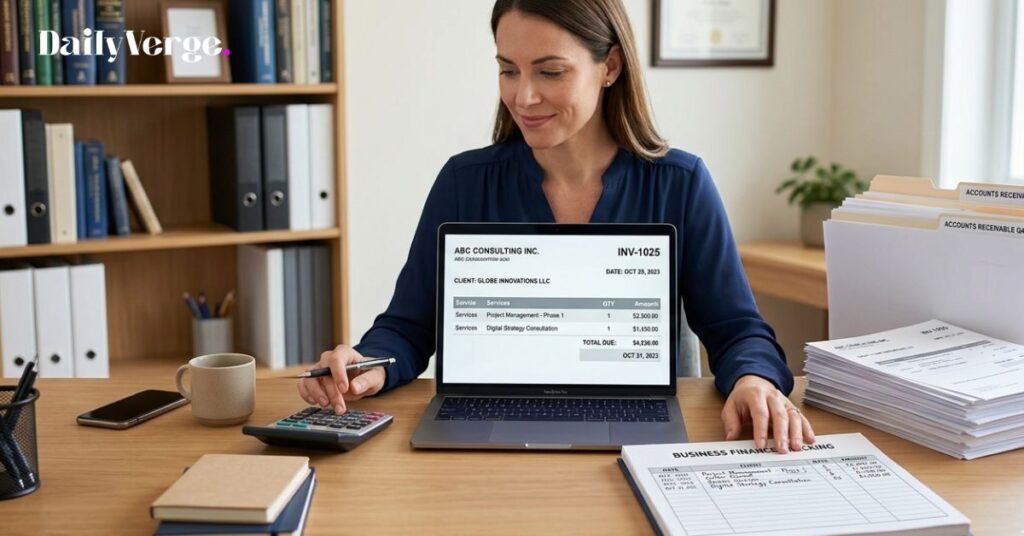
Invoices are more than just payment reminders. They serve several essential purposes that support smooth business operations.
First, invoices provide clear documentation of a transaction. Both the seller and the buyer have a written record that shows what was purchased and how much it costs.
Second, invoices help businesses manage their cash flow. By tracking invoices, companies can see which payments have been received and which ones are still pending.
Another reason invoices are important is that they help prevent misunderstandings between businesses and customers. When all details are clearly written in the invoice, there is less confusion about pricing, services, or delivery.
Invoices are also important for accounting and tax purposes. Businesses must keep records of their income and expenses, and invoices provide the necessary documentation.
For anyone learning what are invoices, it becomes clear that these documents are essential for maintaining professionalism and financial organization.
Key Elements Found in an Invoice
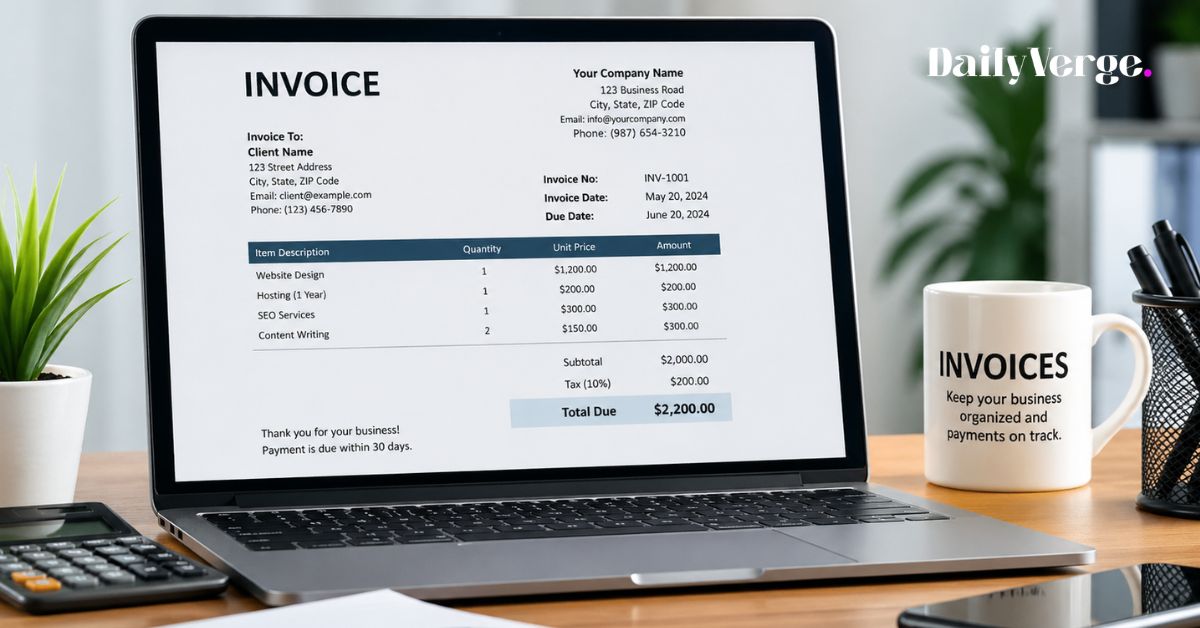
A well-structured invoice contains several important details that make the transaction clear and easy to understand.
One of the first elements is the invoice number. This number helps businesses track invoices and organize financial records.
The invoice also includes the name and contact information of the seller. This usually consists of the business name, address, phone number, or email.
The buyer’s information is also included so the invoice clearly identifies the customer responsible for payment.
Another important detail is the invoice date. This indicates when the invoice was issued and helps determine the payment timeline.
A description of the goods or services provided is another key section. Each item should be listed clearly with its quantity and price.
The total amount due is typically displayed at the bottom of the invoice. This amount may include taxes, discounts, or additional charges such as shipping.
Payment terms are also included. These terms explain when the payment must be completed, such as within 7 days, 15 days, or 30 days.
These details help answer the question of what are invoices by showing how they organize and present important payment information.
Different Types of Invoices Used in Business
Businesses often use different types of invoices depending on the nature of the transaction. Each type serves a specific purpose.
A standard invoice is the most common type. It is issued after products are delivered or services are completed and requests payment from the customer.
A proforma invoice is used before the final transaction takes place. It provides an estimate of the cost and outlines what the customer can expect to pay.
A recurring invoice is commonly used for services that are billed regularly, such as monthly subscriptions or ongoing maintenance services.
A commercial invoice is used in international trade. It provides details required for customs and shipping when goods are exported to another country.
A credit invoice is issued when a business needs to reduce the amount owed by a customer. This can happen when products are returned or when discounts are applied after the original invoice.
Learning about these types helps people better understand what are invoices and how businesses use them in different situations.
How Invoices Work in a Business Transaction
Invoices follow a simple process that begins when a business completes a sale.
After the product is delivered or the service is finished, the seller creates an invoice that includes all transaction details. The invoice is then sent to the customer through email, accounting software, or printed documents.
The customer reviews the invoice and confirms the details. Once everything is correct, the customer makes the payment using the preferred payment method.
After payment is received, the seller records the transaction as completed. This process helps businesses maintain accurate financial records and ensures that payments are properly tracked.
Understanding this process is another way to understand what are invoices and how they function in everyday business operations.
Invoices and Professional Business Practices
Using invoices demonstrates professionalism in business relationships. Customers are more likely to trust a company that provides clear documentation of transactions.
Invoices also create a consistent system for managing payments. Instead of relying on informal payment requests, businesses use structured invoices that include all necessary information.
Another advantage is that invoices help businesses monitor overdue payments. If a customer does not pay within the agreed timeframe, the invoice serves as proof that payment is required.
For freelancers and small business owners, invoices are especially important because they help maintain organized records of income and services provided.
These benefits highlight why understanding what are invoices is valuable for anyone involved in business activities.
The Role of Digital Invoices Today
In the past, invoices were mostly printed and sent by mail. Today, digital technology has made invoicing faster and more convenient.
Many businesses now use invoicing software or accounting platforms to create and send invoices online. These tools allow businesses to track payments automatically and send reminders for unpaid invoices.
Digital invoices also reduce paperwork and improve efficiency. Customers can receive invoices instantly and pay them through online payment systems.
Despite these technological changes, the core purpose remains the same. Whether digital or printed, the main function still answers the question of what are invoices: they are documents used to request and record payments.
Common Mistakes Businesses Should Avoid
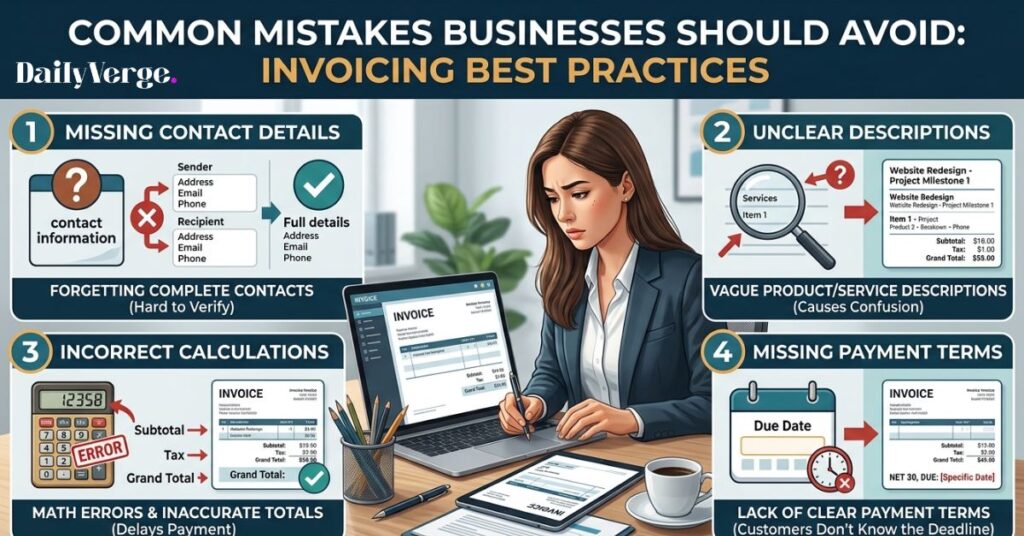
Even though invoices are simple documents, mistakes can sometimes cause confusion or payment delays.
One common mistake is forgetting to include complete contact details. Without this information, customers may struggle to verify the invoice.
Another mistake is unclear descriptions of products or services. Detailed descriptions help customers understand exactly what they are paying for.
Incorrect calculations are another issue. Businesses must ensure that totals, taxes, and discounts are accurate.
Finally, failing to include payment terms can lead to delayed payments because customers may not know the deadline.
Avoiding these mistakes helps businesses maintain clear and professional invoicing practices.
Conclusion
Invoices are a fundamental part of business operations. They provide a clear record of transactions and help businesses request and receive payments in an organized way.
Understanding what are invoices is important for entrepreneurs, freelancers, and companies of all sizes. These documents support financial tracking, improve communication with customers, and contribute to professional business practices.
Whether a business operates online, offers services, or sells physical products, invoices remain one of the most important tools for managing payments and maintaining accurate financial records.
FAQs
1. What are invoices used for?
Invoices are used to request payment for goods or services and to provide a detailed record of a business transaction.
2. What information is included in an invoice?
An invoice usually includes the seller’s details, customer information, invoice number, item descriptions, prices, and the total amount due.
3. When should a business send an invoice?
A business typically sends an invoice after delivering products or completing services for a customer.
4. Are invoices important for small businesses?
Yes, invoices help small businesses track payments, maintain financial records, and manage their cash flow effectively.
5. What is the difference between an invoice and a receipt?
An invoice requests payment, while a receipt confirms that payment has already been completed.
Read more. business guides on our website.
