


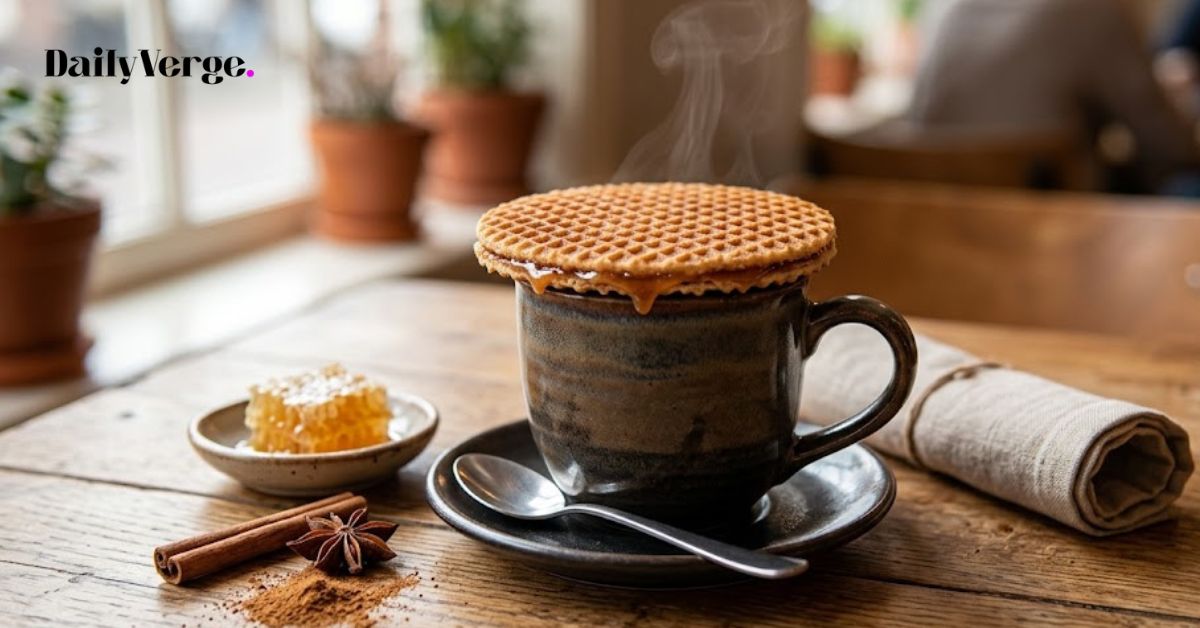
The stroopwafel is one of the most beloved traditional sweets in Europe, known for its thin waffle layers and sweet caramel filling. Originally created in the Netherlands, this treat has grown from a local bakery product into a globally recognized snack enjoyed with coffee, tea, and desserts. Its unique texture and warm, syrupy center make it stand out among other baked goods.
The stroopwafel has a simple appearance, but its flavor and texture carry a long cultural tradition. Today, it is enjoyed in cafés, supermarkets, and homes across many countries, often served as a comforting snack that pairs perfectly with hot drinks.
History and Origin
The stroopwafel has its roots in the Dutch city of Gouda, located in the Netherlands. It is believed to have been first made in the late 18th or early 19th century by bakers who used leftover crumbs and syrup to create a sweet, affordable treat for locals. Over time, this recipe became more refined, and bakeries began producing it in larger quantities.
As trade and travel expanded, the stroopwafel spread beyond Dutch borders. It became a symbol of Dutch culinary tradition and is now commonly associated with the country’s food culture. Despite modernization, many bakeries still follow traditional methods to maintain its original taste and texture.
Ingredients and Flavor Profile
The classic stroopwafel is made using a combination of basic baking ingredients that come together to create a rich and satisfying flavor. The outer layers are thin waffle cookies made from flour, butter, sugar, yeast, milk, and eggs. The filling is a thick syrup made from caramelized sugar, butter, and sometimes cinnamon.
The balance between the crispy outer waffle and the soft, sticky filling is what gives the stroopwafel its signature taste. When freshly made, it offers a slightly crunchy bite that quickly turns soft as the caramel warms.
How It Is Made
The traditional preparation process of a stroopwafel requires skill and timing. First, a dough is prepared and allowed to rest so it becomes soft and elastic. Small portions of dough are placed into a hot waffle iron, where they are pressed into thin, round waffles.
While still warm, each waffle is carefully sliced into two thin layers. A warm syrup filling is then spread inside before the two halves are pressed back together. As the filling cools, it bonds the layers and creates the final texture.
This process is what gives the stroopwafel its delicate structure and signature caramel center. Even though modern machines are used in large-scale production, many small bakeries still prefer traditional hand-crafted methods.
Serving Style and Experience
One of the most popular ways to enjoy a stroopwafel is by placing it on top of a hot cup of coffee or tea. The steam gently warms the waffle, softening the syrup inside and enhancing the flavor. This method transforms the snack into a warm, melt-in-your-mouth experience.
It is also commonly enjoyed on its own as a quick snack or dessert. Some people even use it as a topping for ice cream or crumble it over yogurt for added sweetness and texture. The versatility of this treat is one reason it has gained international popularity.
Variations Around the World
While the traditional version remains the most popular, many variations of the stroopwafel exist today. Some are coated in chocolate, while others are filled with honey, vanilla cream, or salted caramel. Mini versions are also widely available, making them convenient for snacking.
Health-conscious variations have also appeared, including gluten-free and vegan options. These alternatives maintain the same general structure while adjusting ingredients to suit dietary needs.
Nutritional Value
A typical stroopwafel contains a moderate number of calories due to its sugar and butter content. It provides a quick source of energy, making it a popular snack for short breaks or travel. However, it is generally considered an indulgent treat rather than a health food.
Because of its sweetness, it is best enjoyed in moderation. Many people balance it by pairing it with unsweetened coffee or tea, which complements the flavor without adding extra sugar.
Global Popularity
Over the years, the stroopwafel has become widely recognized beyond its country of origin. It is now commonly found in supermarkets, cafés, and airports around the world. International travelers often discover it for the first time during visits to Europe and continue to enjoy it long after returning home.
Its popularity has also grown through social media and food culture trends, where it is frequently featured as a unique and visually appealing snack.
Buying and Storage Tips
When purchasing a stroopwafel, freshness is an important factor. Freshly made versions from bakeries tend to have a softer texture and richer flavor compared to packaged ones. However, packaged varieties are more widely available and have a longer shelf life.
To maintain quality, it should be stored in a cool, dry place in an airtight container. When exposed to heat, the caramel inside may become too soft, while cold conditions can make the waffle layers hard.
Conclusion
The stroopwafel remains a timeless treat that combines simplicity with rich flavor. From its humble beginnings in Dutch bakeries to its global recognition today, it continues to delight people of all ages. Its balance of crispy texture and sweet filling makes it a unique dessert that stands out among traditional sweets.
Whether enjoyed with a warm drink, as a snack, or as part of a dessert recipe, the stroopwafel continues to hold its place as a favorite across cultures.
FAQs
What is a stroopwafel made of?
It is made from thin waffle layers filled with caramel syrup, created from sugar, butter, and spices.
How should a stroopwafel be eaten?
The most popular way is to place it over a hot drink so the filling becomes soft and warm.
Where did the stroopwafel originate?
It originated in the city of Gouda in the Netherlands during the 18th or 19th century.
Are stroopwafels healthy?
They are considered a sweet treat and should be eaten in moderation due to their sugar content.
Can stroopwafels be stored for a long time?
Yes, they can be stored in an airtight container for several weeks if kept in a cool, dry place.
Read more delicious food tips.
