


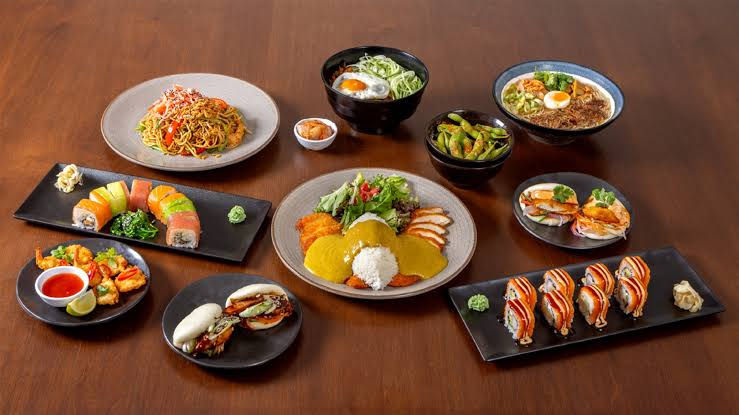
Ordering a meal without ever stepping foot in a kitchen used to feel like a rare treat. Today, it is simply part of everyday life. Busy schedules, growing app based convenience, and a generation raised on instant access have transformed the way people eat. What was once considered an occasional indulgence has become a routine part of how households plan their meals, and the shift shows no sign of slowing down.
This article explores the reasons behind this change, the technology driving it, and what it means for both diners and restaurants moving forward.
The Rise of Restaurant Food Delivery in Everyday Life
Few habits have changed as quickly or as visibly as how people get their meals. Global spending on online meal ordering reached well over a trillion dollars in 2025, and industry analysts expect that figure to keep climbing through the rest of the decade, with steady annual growth projected across most major markets.
This growth is not confined to major cities either. Suburban and smaller markets are seeing rapid adoption as logistics networks expand and more restaurants join delivery platforms. For many households, restaurant food delivery has moved from an occasional convenience to a default option for weeknight dinners, weekend gatherings, and even office lunches.
The appeal is simple: people want good food without the time and effort of cooking or the hassle of driving to pick it up, and platforms have made it easier than ever to satisfy that desire with just a few taps on a phone.
Convenience Has Redefined the Dining Experience
Convenience is often cited as the single biggest driver behind the popularity of meal delivery, and the numbers back that up. Surveys show that a large share of delivery orders come from repeat customers who stick with restaurants and apps they already trust, suggesting that ease of use plays as large a role as taste or price in shaping habits.
Instead of spending an hour on meal preparation and cleanup, diners can browse menus, customize orders, and track their food in real time, all without leaving their couch. This shift has been especially noticeable among working professionals and parents juggling multiple responsibilities, groups that consistently report saving significant time each week by relying on delivery rather than cooking from scratch.
As lifestyles continue to prioritize efficiency, the demand for fast, reliable delivery options is likely to keep growing rather than fade.
Technology and Logistics Driving Growth
Behind every seamless delivery experience is a complex system of technology working in the background. Real time GPS tracking, automated dispatch systems, and predictive algorithms that estimate delivery windows have all played a part in making the process faster and more dependable.
Cloud kitchens, which are commercial spaces designed solely for delivery orders without a traditional dine in setup, have also emerged as a major trend, allowing restaurants to expand their reach without the overhead of a full storefront.
Mobile apps now account for the vast majority of orders placed, reflecting how deeply integrated delivery has become into everyday smartphone use. As logistics networks mature, delivery times continue to shrink, and some markets are even seeing the rise of ultra fast delivery services that promise meals within thirty minutes or less.
How Restaurants Are Adapting to Meet Demand
Restaurants themselves have had to rethink their operations to keep pace with changing consumer expectations. Many establishments now design menus specifically with delivery in mind, choosing dishes that travel well and hold their texture during transit.
Packaging has also evolved, with more restaurants investing in containers that keep food warm, prevent sogginess, and reduce spills during transport. For smaller, independently owned restaurants, delivery has opened doors to customers who might never have discovered them otherwise, expanding their reach well beyond their immediate neighborhood.
At the same time, delivery now represents a growing share of total restaurant revenue in many markets, making it a critical part of business strategy rather than a side offering. This has pushed restaurant owners to closely evaluate commission structures, delivery partnerships, and in house ordering systems to protect their margins while still meeting customer expectations for speed and convenience.
The Future of Dining Convenience
Looking ahead, the momentum behind meal delivery shows little sign of slowing. Analysts project continued double digit growth in several major markets over the next several years, fueled by expanding delivery infrastructure, wider smartphone adoption, and growing consumer comfort with digital payments.
Emerging trends such as subscription based delivery services, sustainability focused packaging, and even drone or robot delivery in select markets suggest that the industry is still evolving rather than reaching a plateau.
Consumer habits that were once considered temporary conveniences are increasingly becoming permanent fixtures in how people plan their meals, and businesses that adapt early are likely to benefit the most from this ongoing shift.
Conclusion
The way people eat has fundamentally changed, and there is little indication that this shift is temporary. Busy schedules, evolving technology, and a growing preference for convenience have combined to make restaurant food delivery a normal, even expected, part of daily life for millions of diners.
What began as a niche service has grown into a global industry supported by sophisticated logistics, dedicated cloud kitchens, and restaurants that have restructured their entire approach to menu design and packaging.
For modern diners, the appeal is clear: favorite meals are now just a few taps away, without sacrificing the time needed for work, family, or simply relaxing at home. As technology continues to improve and consumer expectations keep rising, this convenience focused approach to dining is likely to remain a central part of everyday life for years to come.
