


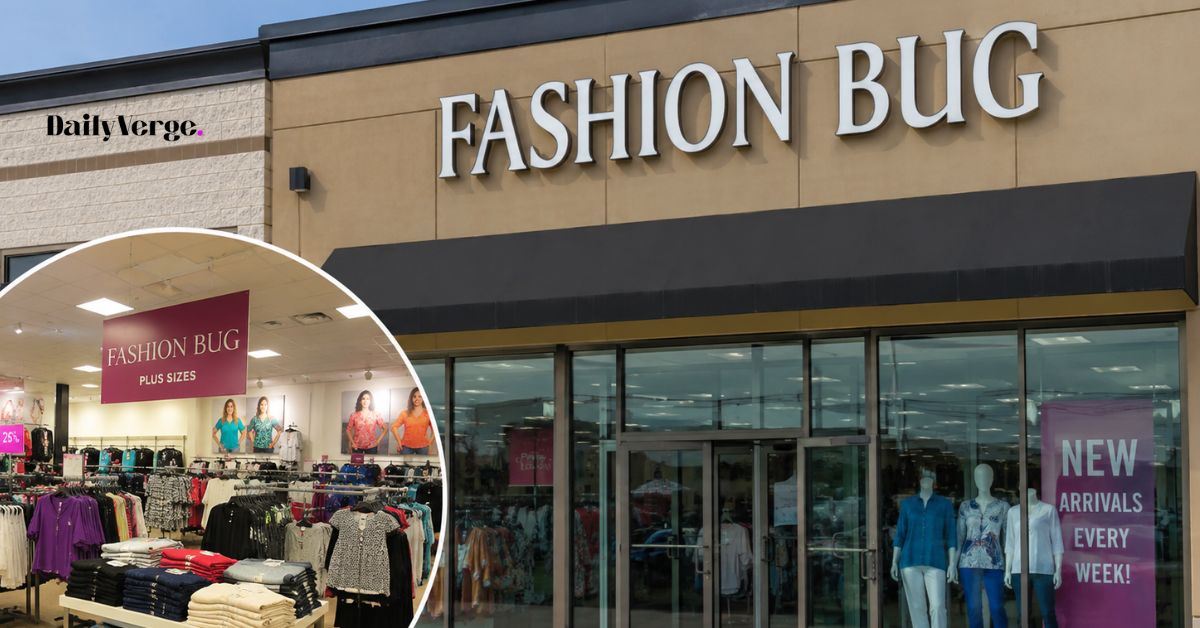
For many shoppers across the United States, fashion bug was once a familiar name in affordable women’s clothing. Known for its accessible prices, inclusive sizing, and convenient store locations, the brand served millions of customers for decades. Women looking for casual outfits, workwear, or plus-size options often turned to fashion bug because it offered trendy clothing without the high price tags often found in department stores.
Although the brand eventually disappeared from shopping centers, its history remains an interesting example of how retail trends evolve. Understanding how fashion bug grew, what made it popular, and why it ultimately closed provides valuable insight into the changing world of fashion retail.
The Origin of Fashion Bug
The story of fashion bug began in the United States during the mid-20th century. The brand was associated with a retail company that focused on women’s apparel and affordable fashion. At a time when many clothing retailers were limited in size options and styles, fashion bug aimed to provide a wider selection for everyday shoppers.
The company focused on building stores in suburban areas rather than major fashion districts. This strategy allowed it to reach customers who wanted convenient shopping locations closer to home. Over time, the brand developed a reputation for offering stylish clothing at prices that fit everyday budgets.
Early customers appreciated the ability to shop for casual clothing, office attire, and accessories in one location. As word spread about the store’s variety and affordability, fashion bug began expanding across the country.
Expansion and Popularity Across the United States
During the 1980s and 1990s, fashion bug experienced rapid growth. The company opened hundreds of locations, primarily in strip malls and neighborhood shopping centers. This approach made the stores easy to access for families and busy shoppers.
At its peak, fashion bug operated more than one thousand stores throughout the United States. This impressive expansion made it one of the most recognizable women’s clothing retailers of its time.
Customers were drawn to the store for several reasons. First, the clothing was affordable and updated regularly to reflect seasonal trends. Second, the store focused on creating a welcoming shopping environment where women of different sizes could find fashionable outfits.
Because of these strengths, fashion bug built a loyal customer base that returned regularly for new collections and seasonal promotions.
Clothing and Products Offered
One of the main reasons for the success of fashion bug was the variety of clothing available in its stores. The brand focused on everyday fashion that women could wear for work, casual outings, or special occasions.
The product selection typically included dresses, jeans, blouses, jackets, skirts, and sweaters. In addition to clothing, stores also carried accessories such as handbags, jewelry, belts, and scarves.
Seasonal collections played an important role in keeping the inventory fresh. During colder months, stores displayed coats, sweaters, and boots. In warmer seasons, customers could find summer dresses, lightweight tops, and comfortable casual wear.
This wide selection helped fashion bug attract shoppers who wanted fashionable outfits without visiting multiple stores.
Commitment to Plus-Size Fashion
One of the most notable aspects of fashion bug was its commitment to inclusive sizing. At a time when many retailers offered limited options for plus-size shoppers, the brand made it a priority to provide stylish clothing in a wide range of sizes.
Many customers appreciated that fashion bug created fashionable designs specifically for plus-size women instead of simply enlarging standard sizes. This approach allowed shoppers to find clothing that fit comfortably and looked stylish at the same time.
Because of this focus, the store became a favorite destination for women who often struggled to find trendy clothing in their size. By offering inclusive options, fashion bug built strong loyalty among its customers.
Shopping Experience and Store Layout
The shopping experience at fashion bug was designed to be simple and convenient. Stores were typically medium-sized and organized in a way that allowed customers to browse easily.
Clothing sections were arranged by category, making it easy to locate workwear, casual outfits, or seasonal items. The store layout also allowed shoppers to explore accessories and matching pieces that completed their outfits.
Friendly staff and frequent sales promotions also contributed to the store’s popularity. Many customers remember fashion bug as a place where they could find stylish clothing without feeling pressured by high-end retail environments.
Why Fashion Bug Stores Closed
Despite its earlier success, fashion bug eventually faced significant challenges. The retail industry was changing rapidly as online shopping became more popular. Many customers began purchasing clothing through e-commerce platforms instead of visiting physical stores.
In addition, large fast-fashion retailers started offering similar styles at competitive prices. These new competitors attracted younger shoppers who were looking for the latest trends.
As a result of these market changes, the parent company decided to restructure its business operations. In 2012, the announcement was made that fashion bug stores would gradually close across the United States.
By early 2013, the remaining locations had shut down completely. While the closure marked the end of the brand’s retail presence, many former customers still remember fashion bug for its affordability and inclusive fashion.
Fashion Bug’s Lasting Impact on Retail
Even though the stores no longer exist, fashion bug left a meaningful mark on the fashion retail industry. The brand demonstrated that affordable clothing could still be stylish and accessible.
It also played an important role in promoting size inclusivity at a time when many retailers overlooked that market. By offering fashionable options for a wide range of body types, fashion bug helped shape the future of inclusive fashion.
Many modern clothing brands now follow similar strategies by focusing on affordability, convenience, and diverse sizing. In many ways, the ideas introduced by fashion bug continue to influence how fashion retailers operate today.
The Brand’s Legacy Among Customers
For shoppers who grew up visiting these stores, fashion bug often represents more than just a clothing retailer. Many customers remember shopping trips with family members, searching for outfits for school, work, or special occasions.
Because the brand served communities for several decades, it became part of everyday life for many people. Even after the stores closed, former shoppers still recall the excitement of finding stylish clothing at affordable prices.
The story of fashion bug shows how retail brands can leave lasting memories long after their doors close.
Conclusion
The history of fashion bug reflects both the success and challenges of the retail industry. For many years, the brand provided affordable, fashionable clothing for women across the United States. Its commitment to inclusive sizing, convenient store locations, and accessible pricing made it a favorite shopping destination for countless customers.
Although the brand eventually closed due to changing retail trends and increased competition, its influence on fashion retail remains significant. The focus on affordability and size inclusivity continues to shape modern clothing brands.
Even today, fashion bug is remembered as a retailer that made fashion accessible for women from all walks of life.
FAQs
What was fashion bug known for?
Fashion bug was known for selling affordable women’s clothing, including plus-size fashion, accessories, and casual outfits in convenient neighborhood stores.
When did fashion bug close its stores?
The brand announced store closures in 2012, and the remaining locations shut down by early 2013.
Why did fashion bug become popular?
The brand became popular because it offered stylish clothing at affordable prices and provided inclusive sizing for women.
Did fashion bug sell plus-size clothing?
Yes, one of the brand’s strongest features was its wide range of plus-size clothing designed specifically for comfort and style.
Is fashion bug still operating today?
The original U.S. retail chain closed its stores in 2013, though many customers still remember the brand for its affordable fashion.
Read more. lifestyle tips and ideas on our website.
