


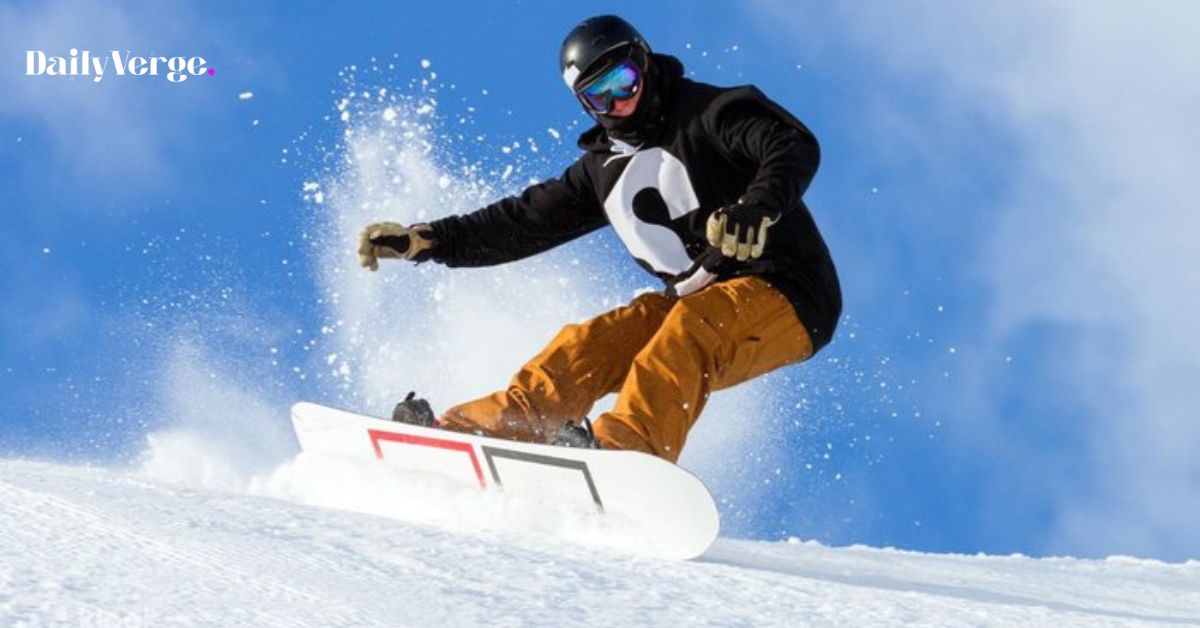
Snowboarding is one of the most exciting winter sports in the world. Whether you are heading to the mountains for the first time or looking for a new outdoor adventure, learning how to snowboard can be a rewarding experience. While it may seem difficult when watching experienced riders glide down steep slopes, every snowboarder starts as a beginner. With the right approach, proper equipment, and consistent practice, anyone can develop the skills needed to enjoy the sport safely.
This guide explains how to snowboard from the ground up, covering everything from choosing the right stance to mastering turns and stopping techniques. By understanding the basics and practicing regularly, you can build confidence and enjoy your time on the snow.
What Is Snowboarding?
Before learning how to snowboard, it is important to understand the sport itself. Snowboarding involves riding down a snow-covered slope on a board attached to your feet. Unlike skiing, where each foot moves independently, snowboarding requires both feet to remain fixed on one board.
The sport combines balance, coordination, and technique. Riders use their body movements to steer, turn, and control speed. While beginners often experience falls during the learning process, most people find that their skills improve quickly after a few practice sessions.
Choose the Correct Snowboard Stance
One of the first steps in learning how to snowboard is determining your stance. Your stance refers to which foot leads while riding.
A regular stance means your left foot stays in front. A goofy stance means your right foot stays in front. There is no correct choice for everyone. The best stance depends on which position feels most natural and balanced.
A simple way to identify your stance is to think about which foot you would naturally place forward when sliding across a smooth surface. Once you determine your stance, your snowboard bindings can be adjusted accordingly.
Wear the Right Snowboarding Equipment
Having the proper gear makes learning much easier and safer. Many beginners focus only on the snowboard itself, but every piece of equipment plays an important role.
A properly fitted snowboard helps maintain control on the slopes. Snowboard boots should feel snug without causing discomfort. Bindings must securely connect your boots to the board while allowing natural movement.
Safety equipment is equally important. A quality helmet protects against head injuries, while goggles improve visibility during changing weather conditions. Waterproof gloves, insulated jackets, and snow pants help keep your body warm and comfortable throughout the day.
Investing in reliable equipment creates a better learning experience and allows you to focus on improving your skills.
Learn Proper Snowboarding Posture
Understanding body position is a major part of how to snowboard successfully. Good posture improves balance and helps prevent unnecessary falls.
Keep your knees slightly bent and your body relaxed. Avoid standing completely upright because stiff legs make it harder to absorb changes in terrain. Your shoulders should remain aligned with the snowboard, and your eyes should focus on where you want to travel rather than looking directly at your feet.
Maintaining an athletic stance allows your body to respond naturally to turns, bumps, and changes in snow conditions.
Practice Skating on Flat Ground
Before heading down a hill, beginners should practice skating. This basic skill helps riders move around lift areas and flat sections of a resort.
To skate, keep your front foot secured in the binding while using your back foot to push yourself forward. Start on a flat area where you can practice balance without worrying about speed.
Learning this technique early makes it much easier to navigate beginner areas and use chairlifts later in your snowboarding journey.
Understand Edge Control
Edge control is one of the most important aspects of how to snowboard. Snowboards have two primary edges: the heel edge and the toe edge.
When riding on your heel edge, you apply pressure through your heels to slow down and maintain control. When riding on your toe edge, pressure is applied through your toes, allowing you to steer and change direction.
Many beginner falls happen because riders accidentally catch an edge. Practicing edge awareness helps reduce these mistakes and builds confidence on the snow. Spending time on gentle slopes while focusing on edge control can dramatically improve your progress.
Learn How to Turn
Turning is essential for controlling speed and navigating a slope safely. Once you become comfortable with edge control, you can begin learning basic turns.
Start by making simple heel-side turns. Shift your weight slightly and guide the board across the slope. After becoming comfortable, practice toe-side turns using the opposite edge.
As your confidence grows, combine both movements to create smooth S-shaped turns. These linked turns allow you to control your speed naturally without relying solely on stopping techniques.
Mastering turns is a major milestone in learning how to snowboard because it provides greater control and freedom on the mountain.
How to Stop Safely
Stopping is one of the first skills every beginner should learn. The most common stopping method involves using your heel edge.
By applying pressure to the heel edge and turning the board across the slope, you can gradually reduce speed until you come to a complete stop. The same concept can be applied using the toe edge once you gain more experience.
Practice stopping frequently on beginner terrain. Developing this skill early increases confidence and helps prevent collisions with other riders.
Using the Chairlift for the First Time
Chairlifts can feel intimidating for first-time snowboarders, but they become easier with practice.
Before boarding, remove your back foot from the binding while keeping your front foot attached. As the chair approaches, sit down smoothly and hold your snowboard steady.
When exiting, place your free foot against the board and glide away from the unloading area. Most resorts provide beginner-friendly lift zones where new riders can practice without pressure.
Understanding chairlift procedures is another important step in learning how to snowboard efficiently at ski resorts.
Common Beginner Mistakes to Avoid
Many new riders make similar mistakes during their first days on the mountain. Recognizing these issues can help speed up your progress.
One common mistake is leaning too far backward. While it may feel safer, this position reduces control and makes turning more difficult. Another frequent error is locking your knees, which limits flexibility and balance.
Beginners also tend to look down at the snowboard instead of focusing ahead. Looking forward helps maintain better posture and improves reaction time.
Avoiding these habits can significantly improve your overall performance and confidence.
Safety Tips for New Snowboarders
Safety should always be a priority when learning how to snowboard. Start on beginner slopes designed for new riders and avoid advanced terrain until your skills improve.
Take regular breaks to prevent fatigue, especially during long practice sessions. Staying hydrated and dressing appropriately for weather conditions can also improve performance and comfort.
Consider taking professional lessons if possible. Instructors can identify mistakes early and provide valuable guidance that accelerates the learning process.
Most importantly, ride within your ability level and avoid taking unnecessary risks. Progress comes naturally with patience and practice.
How Long Does It Take to Learn Snowboarding?
The learning process varies from person to person. Some beginners become comfortable making basic turns after a single day, while others may need several sessions to develop confidence.
Most riders can comfortably navigate beginner slopes within a few days of consistent practice. More advanced techniques, such as carving and riding challenging terrain, typically require additional time and experience.
The key to success is persistence. Every hour spent on the snow helps strengthen balance, coordination, and board control.
Conclusion
Learning how to snowboard is an exciting journey that combines physical activity, outdoor adventure, and personal achievement. Although the first few sessions may feel challenging, consistent practice leads to steady improvement. By focusing on proper posture, edge control, turning, and safety, beginners can develop the skills needed to enjoy the sport with confidence. With patience and determination, snowboarding can become a lifelong activity that provides fun, fitness, and unforgettable experiences in the mountains.
FAQs
Is snowboarding hard for beginners?
Snowboarding can feel challenging at first, but most beginners improve quickly after learning balance and edge control.
How long does it take to learn snowboarding?
Many people can ride beginner slopes comfortably after two to five days of practice.
What should I wear when snowboarding?
Wear a helmet, goggles, waterproof gloves, snow pants, and a warm jacket for comfort and protection.
Is snowboarding harder than skiing?
Many beginners find snowboarding harder at the beginning, but progress often becomes faster after learning the basics.
Can adults learn how to snowboard?
Yes. People of all ages can learn snowboarding with proper instruction, patience, and regular practice.
