


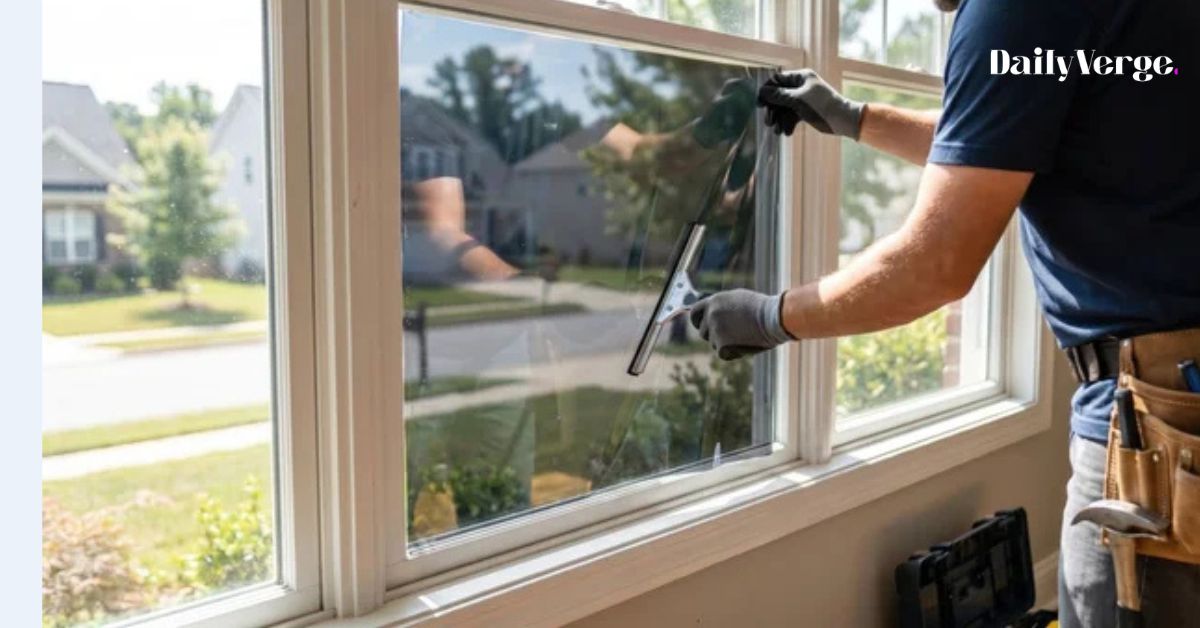
Residential window tinting has become one of the most practical home improvement solutions for homeowners who want better comfort, reduced energy costs, and improved indoor living quality. In today’s modern housing trends, energy efficiency is not just a luxury but a necessity. One of the simplest ways to achieve this is by applying window film that helps control sunlight, heat, and UV exposure.
Residential window tinting is widely used in homes because it improves temperature balance indoors while still allowing natural light to enter. It also enhances privacy and protects interior furnishings from fading, making it a smart long-term investment for any household.
What Makes Residential Window Tinting Important
The main purpose of residential window tinting is to improve how a home interacts with sunlight. Windows are one of the biggest sources of heat gain in a house, especially during summer. Without protection, indoor temperatures rise quickly, forcing air conditioners to work harder. This leads to higher electricity bills and unnecessary energy waste.
By reducing solar heat entry, window film helps maintain a stable indoor temperature. This makes the living environment more comfortable while reducing dependence on cooling systems.
Energy Efficiency and Cost Reduction
One of the strongest reasons homeowners choose residential window tinting is energy savings. When sunlight is filtered before entering the home, indoor cooling systems do not need to work as aggressively. This reduces electricity usage and can significantly lower monthly energy bills.
In colder months, certain types of window films also help retain indoor heat. This dual benefit makes homes more energy efficient throughout the year, not just in summer. Over time, the savings can outweigh the initial installation cost, making it a practical financial decision.
Heat and UV Protection Benefits
Sunlight contains harmful ultraviolet rays that can damage furniture, flooring, curtains, and even wall paint over time. Residential window tinting helps block a large percentage of UV radiation, protecting your home’s interior from fading and aging too quickly.
It also reduces excessive heat buildup in rooms exposed to direct sunlight. This helps maintain a cooler indoor environment, especially in areas with hot climates. The result is improved comfort without relying heavily on air conditioning systems.
Privacy and Comfort Improvement
Another important advantage of residential window tinting is improved privacy. Depending on the type of film used, homeowners can enjoy privacy during daytime hours without closing curtains or blinds. This allows natural light to enter while limiting outside visibility.
In addition to privacy, window tinting also reduces glare on screens such as televisions, laptops, and mobile devices. This makes everyday activities like working from home or watching entertainment more comfortable.
Types of Residential Window Tinting
Different types of window films are available to meet various household needs. Solar control films are designed primarily to reduce heat and sunlight intensity. Privacy films provide a frosted or reflective finish for better seclusion. Decorative films enhance interior design with patterns or textures. Security films add an extra layer of protection by holding glass together if it breaks.
Choosing the right type depends on your specific goals, whether it is energy savings, privacy, or aesthetic improvement.
Installation Process Explained
The installation of residential window tinting begins with proper cleaning of the glass surface. Any dust or dirt must be removed to ensure smooth application. The film is then measured and cut according to window size. A special solution is used to position the film correctly before it is pressed and smoothed out to eliminate bubbles.
Professional installation usually delivers the best results in terms of appearance and durability. However, smaller projects can also be completed using DIY kits if done carefully.
Maintenance and Long-Term Performance
Once installed, residential window tinting requires very little maintenance. Cleaning can be done using a soft cloth and mild cleaning solution. It is important to avoid harsh chemicals or abrasive materials that may damage the film surface.
High-quality films are designed to last many years without fading or peeling. Their performance depends on material quality, sunlight exposure, and installation method.
Common Misunderstandings
Many people believe that window tinting makes rooms dark and uncomfortable. However, modern films are designed to maintain natural light while reducing heat and glare. Another misconception is that window tinting is only useful in hot climates, but it also helps improve insulation in colder environments.
Some also assume that window film damages glass, but high-quality products are safe when properly installed and maintained.
Conclusion
Residential window tinting is a smart and effective solution for improving home energy efficiency, comfort, and privacy. It helps reduce heat, block harmful UV rays, and lower electricity costs while maintaining natural light indoors. With proper installation and care, it can enhance both the functionality and value of any home, making it a worthwhile investment for modern homeowners.
FAQs
How long does residential window tinting last
Most high-quality window films last between 10 to 20 years depending on maintenance and exposure to sunlight.
Does window tinting make a home too dark
No, modern films are designed to reduce heat and glare while still allowing natural light inside.
Can window tinting really reduce energy bills
Yes, by lowering heat gain, it reduces the need for air conditioning and helps cut electricity costs.
Is professional installation necessary for window tinting
Professional installation is recommended for better durability, appearance, and long-term performance.
What is the main benefit of residential window tinting
The main benefit is improved energy efficiency combined with better comfort, UV protection, and privacy.
