


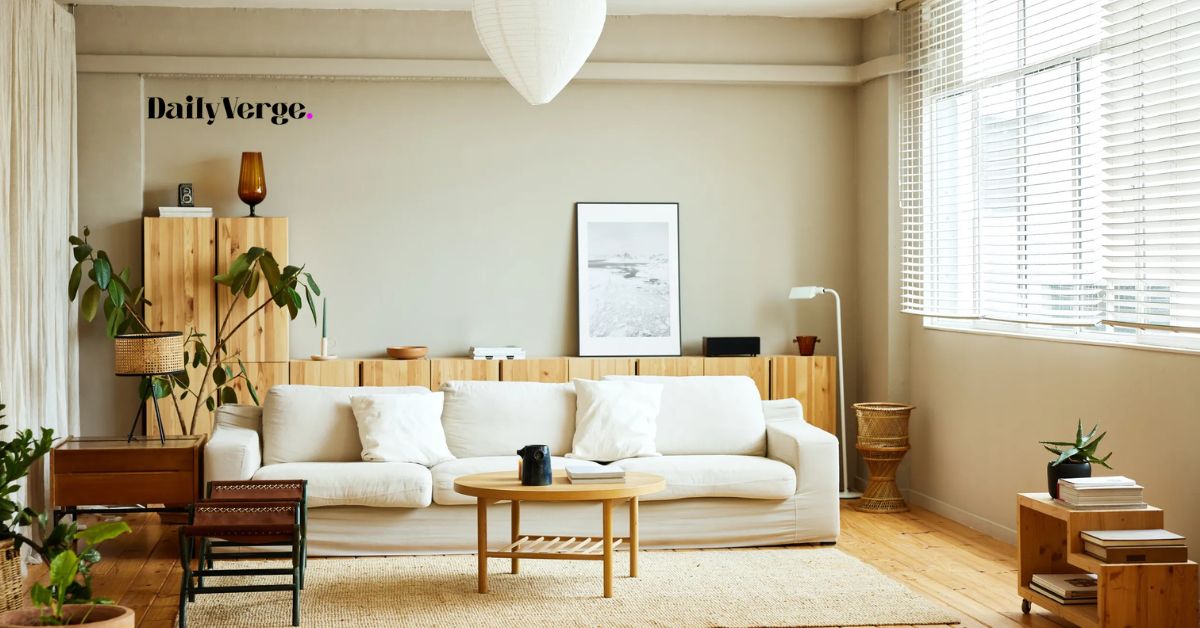
Scandinavian interior design has become one of the most popular home styling approaches in the world because of its simplicity, beauty, and functionality. Scandinavian interior design focuses on creating bright, clean, and comfortable spaces that feel both modern and cozy at the same time. This style is deeply rooted in Nordic culture, where long winters and limited daylight have influenced the need for warm, light-filled interiors that bring comfort and calm into everyday life.
This design style is not just about decoration; it is a lifestyle approach that values minimalism, practicality, and natural beauty. Homes designed with this approach often feel open, peaceful, and highly organized, making them perfect for modern living.
What is Scandinavian Interior Design
Scandinavian interior design is a design philosophy that originated in countries like Sweden, Denmark, Norway, and Finland. It emphasizes simplicity, functionality, and connection to nature. The idea is to create spaces that are visually clean yet warm and inviting.
This design style avoids unnecessary decoration and instead focuses on essential furniture pieces, neutral colors, and natural materials. The goal is to create a balanced environment where every object has a purpose, and nothing feels overwhelming or out of place. Light plays a very important role, with large windows and open spaces helping to maximize natural brightness throughout the home.
The Philosophy Behind Nordic Living
At the heart of this design approach is the belief that homes should support well-being. People living in Nordic regions often spend more time indoors due to weather conditions, which has shaped their interior style into something highly comfortable and functional.
Instead of overcrowded rooms, the focus is on open layouts and breathable spaces. This helps reduce stress and creates a calming environment that supports relaxation and productivity. The design encourages people to live with fewer but higher-quality items that bring real value to their daily lives.
Key elements of Scandinavian Interior Design
A defining feature of Scandinavian interior design is its strong use of natural elements and minimalistic principles. Light-colored walls, wooden flooring, and simple furniture designs are commonly used to create harmony within a space.
Neutral tones such as white, beige, light grey, and soft earth shades dominate interiors. These colors help reflect natural light, making rooms appear larger and more open. Natural materials like wood, wool, cotton, and linen are often used to add warmth and texture to the space.
Furniture is typically functional and simple in shape, avoiding unnecessary details. Multi-purpose furniture is also common, especially in smaller homes or apartments where space efficiency is important. Every element is carefully chosen to maintain balance and visual clarity.
Living Room Styling Approach
In many homes, the living area is the central space where design principles are most visible. Scandinavian interior design often transforms living rooms into calm, welcoming areas that are both practical and stylish.
Sofas are usually neutral in color and paired with soft cushions and textured throws to create warmth. Coffee tables are often made of light wood with clean lines, while decorative elements are kept minimal. Indoor plants are commonly added to bring a touch of nature inside the home, improving freshness and visual appeal.
Lighting also plays a key role in creating atmosphere. Instead of heavy fixtures, simple pendant lights or floor lamps with warm lighting are preferred to enhance comfort during evenings.
Bedroom Design and Comfort
Bedrooms designed with this approach focus heavily on rest and relaxation. Soft bedding, neutral color palettes, and minimal decor help create a peaceful environment suitable for sleep.
Wooden bed frames, soft textiles, and natural fabrics are commonly used to maintain a warm and organic feel. The space is often free from clutter, allowing the mind to relax and unwind. Even small decorative touches are carefully chosen to avoid disrupting the calm atmosphere.
Lighting in bedrooms is usually soft and warm, helping to create a soothing environment before sleep.
Kitchen and Functional Spaces
Kitchens are designed to be highly practical while maintaining a clean and modern appearance. Cabinets are often flat-panel and handle-free, contributing to a smooth and organized look.
Open shelving is sometimes used to display essential items, but clutter is avoided to maintain simplicity. Surfaces are typically light-colored, and natural materials such as wood and stone are frequently used for countertops and accents.
This balance between beauty and practicality makes the kitchen one of the most efficient spaces in the home while still maintaining visual harmony.
Importance of Light and Space
Light plays a crucial role in Scandinavian interior design. Large windows, light curtains, and reflective surfaces are used to maximize natural daylight. This helps create a bright and uplifting environment even during darker seasons.
Open space planning is equally important. Rooms are designed to feel connected and breathable rather than closed off or crowded. This enhances movement within the home and contributes to a feeling of freedom and relaxation.
By focusing on light and space, interiors feel more expansive and naturally balanced.
Modern Influence and Lifestyle Trends
Today, this design style continues to evolve with modern influences. Many homeowners now combine traditional Nordic simplicity with contemporary elements such as smart home technology and sustainable materials.
Eco-friendly design has become a major trend, with more people choosing recycled materials and energy-efficient solutions. There is also growing interest in blending styles, such as combining Japanese minimalism with Nordic design principles to create warm, balanced interiors.
This evolution shows how flexible and adaptable the style has become in modern living environments.
Conclusion
Scandinavian interior design remains one of the most timeless and practical approaches to home styling. It focuses on simplicity, comfort, and functionality while maintaining a strong connection to nature. By using neutral colors, natural materials, and thoughtful layouts, this design creates spaces that feel peaceful and inviting.
Whether used in small apartments or large homes, this approach helps create a balanced environment that supports both relaxation and daily living. Its continued popularity proves that simplicity and functionality never go out of style.
FAQs
What makes this design style unique?
It is unique because it combines minimalism with warmth, creating spaces that are both simple and comfortable. The focus is on functionality and natural beauty.
Is this style suitable for small homes?
Yes, it is ideal for small spaces because it uses light colors, simple furniture, and open layouts to make rooms feel larger and more organized.
What colors are commonly used in this style?
Neutral shades like white, beige, light grey, and soft pastels are commonly used to create bright and calming interiors.
Can this design be budget-friendly?
Yes, it can be adapted to different budgets by focusing on simple furniture, DIY decor, and natural materials without unnecessary luxury items.
Why is this style so popular today?
It is popular because it promotes a calm lifestyle, reduces clutter, and creates functional yet beautiful living spaces suitable for modern living.
