



Buying or owning a home comes with legal responsibilities that many people do not fully understand until a problem appears. One term that often causes confusion is what is a lien on a house. If you plan to buy, sell, refinance, or inherit a property, knowing how liens work can save you time, money, and legal trouble.
This guide explains everything in simple language, including the different types of liens, how they affect property ownership, and the steps you can take to remove one.
What Is a Lien on a House?
Many homeowners ask, what is a lien on a house when they first hear the term during a home sale or title search. A lien is a legal claim placed on a property by a creditor because the owner owes money. The property becomes security for that debt until it is paid or otherwise resolved.
A lien does not usually change who owns the home. You can still live in the property, but the lien gives the creditor certain legal rights. In many cases, the debt must be settled before the home can be sold with a clear title.
How Does a House Lien Work?
Understanding what is a lien on a house becomes easier when you look at how the process works.
A debt is created when someone borrows money or fails to pay a financial obligation. If the debt remains unpaid, the lender, contractor, government agency, or another creditor may file a lien against the property. Once recorded, the lien becomes part of the property’s public record.
If the homeowner decides to sell or refinance, the lien usually has to be paid before the transaction is completed. This protects the creditor’s right to recover the money owed.
Why Can a Lien Be Placed on a House?
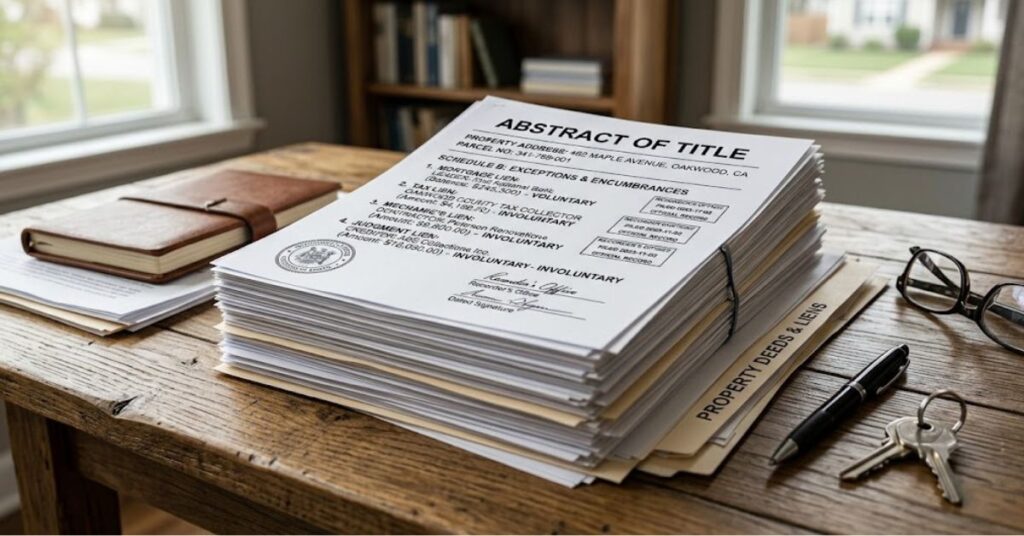
Liens are filed for different reasons, depending on the type of debt involved.
Mortgage Debt
When you take out a home loan, the lender automatically receives a mortgage lien. This is considered a voluntary lien because you agreed to it when signing the loan documents.
Unpaid Property Taxes
Local governments can place a tax lien on a property if property taxes remain unpaid. Ignoring tax obligations for a long period may eventually lead to foreclosure in some areas.
Unpaid Contractor Bills
If a homeowner hires a contractor for repairs or renovations and fails to pay the agreed amount, the contractor may file a mechanic’s lien. This helps protect businesses that provide labor or materials.
Court Judgments
A creditor who wins a lawsuit may receive a judgment lien against the debtor’s real estate. This often happens after unpaid loans or other financial disputes.
Homeowners Association Fees
Many planned communities require monthly or annual HOA payments. If these fees remain unpaid, the association may place a lien on the property according to local laws.
Common Types of Property Liens
Learning what is a lien on a house also means understanding that not every lien works the same way.
Voluntary Liens
These are created with the homeowner’s agreement. Mortgage liens and home equity loans are common examples.
Involuntary Liens
These are filed without the owner’s permission because of unpaid debts or legal obligations. Tax liens, judgment liens, and mechanic’s liens all fall into this category.
How Does a Lien Affect Homeowners?
A lien does not automatically mean you will lose your home, but it can create challenges.
Selling the property may become more difficult because buyers usually want a clear title. Mortgage lenders may also hesitate to approve refinancing until outstanding liens are resolved. In some situations, unpaid liens continue to collect interest or penalties, making the debt larger over time.
The earlier a homeowner addresses the issue, the easier and less expensive it often becomes to fix.
Can You Sell a House With a Lien?
Yes, selling a property with a lien is possible, but it is rarely simple.
During the closing process, a title search usually reveals any recorded liens. Most buyers expect the seller to pay off the debt before ownership changes hands. In many transactions, part of the sale proceeds is used to satisfy the lien, allowing the buyer to receive a clear title.
If the sale price is not enough to cover all debts, additional negotiations may be necessary before closing.
Can You Buy a House That Has a Lien?
Some buyers discover a lien during the purchase process. This does not always mean they should walk away, but it does require careful review.
A title company or real estate attorney can explain who is responsible for paying the debt before closing. Never assume the lien will disappear automatically after you become the owner.
Buying without understanding existing liens could create unexpected legal and financial responsibilities.
Can You Refinance a Home With a Lien?
Whether refinancing is possible depends on the type of lien and the lender’s requirements.
Mortgage lenders generally want the property’s title to be as clear as possible. Minor issues may sometimes be resolved during refinancing, while significant unpaid liens often need to be cleared first.
Speaking with your lender early in the process helps avoid delays.
How to Find Out If a Property Has a Lien
If you are wondering what is a lien on a house before buying property, checking for existing liens should be one of your first steps.
You can:
- Review county property records.
- Order a professional title search.
- Ask a title company to investigate.
- Consult a real estate attorney.
- Request disclosure from the seller.
A professional title search is often the safest option because it identifies recorded claims that may affect ownership.
How to Remove a Lien From a House
Removing a lien depends on the reason it was filed.
The most common solution is paying the debt in full. Once payment is received, the creditor issues a lien release, which should be recorded with the local government office.
If you believe the lien was filed incorrectly, you may challenge it through legal channels. Some creditors also agree to negotiated settlements, allowing homeowners to pay less than the original amount under certain circumstances.
Always keep copies of payment records and the official lien release for future property transactions.
Why Understanding Liens Matters
Many people only learn what is a lien on a house after trying to sell or refinance their property. By that point, delays and unexpected costs may already have appeared.
Knowing how liens work allows homeowners to solve problems early, avoid legal complications, and make better financial decisions. Buyers also benefit because they can identify risks before completing a purchase.
A little knowledge today can prevent expensive surprises later.
Common Mistakes to Avoid
Several mistakes make lien problems harder to resolve.
Waiting too long to respond to unpaid debts often increases costs through penalties and interest. Some homeowners ignore notices because they assume the issue will disappear on its own, but recorded liens usually remain until properly released.
Another common mistake is skipping a title search before buying property. Even attractive homes can carry hidden legal claims that create unexpected expenses after closing.
Taking action early is always the smarter choice.
Conclusion
Understanding what is a lien on a house helps homeowners and buyers make informed decisions before legal or financial problems arise. A lien is simply a creditor’s legal claim against property because of an unpaid obligation, but its impact can be significant if ignored. Whether the lien comes from a mortgage, taxes, contractor work, or a court judgment, resolving it quickly protects your ability to sell, refinance, or transfer ownership without unnecessary delays. Knowing how liens work is an important part of responsible homeownership and can save you from costly surprises in the future.
FAQs
What is a lien on a house in simple words?
A lien is a legal claim placed on a property because the owner owes money. It usually must be resolved before the property can be sold with a clear title.
Can I sell my house if it has a lien?
Yes. In most cases, the lien is paid from the sale proceeds before the buyer receives ownership.
How do I know if my property has a lien?
You can check county property records or request a professional title search to identify recorded liens.
Can a lien be removed?
Yes. Paying the debt, negotiating a settlement, or successfully disputing an invalid claim can remove a lien.
Does a lien affect refinancing?
It can. Many lenders require outstanding liens to be resolved before approving a refinance application.
